
Cart
Support
Support
Contact us to learn more about our contactless biometric and industrial 3D imaging and collaboration opportunities.
Thank you for your application
Our team will contact you shortly to resolve this issue
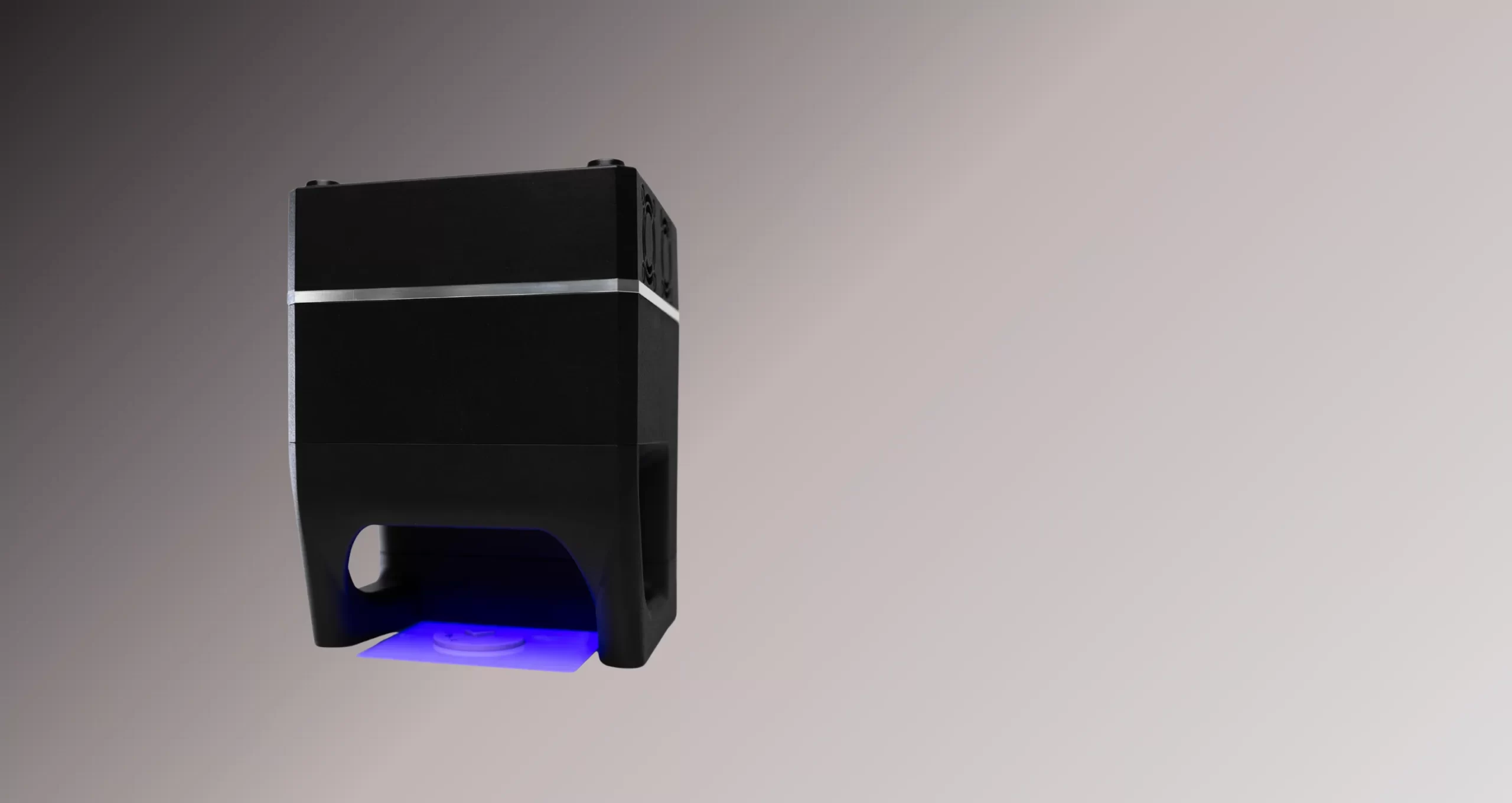
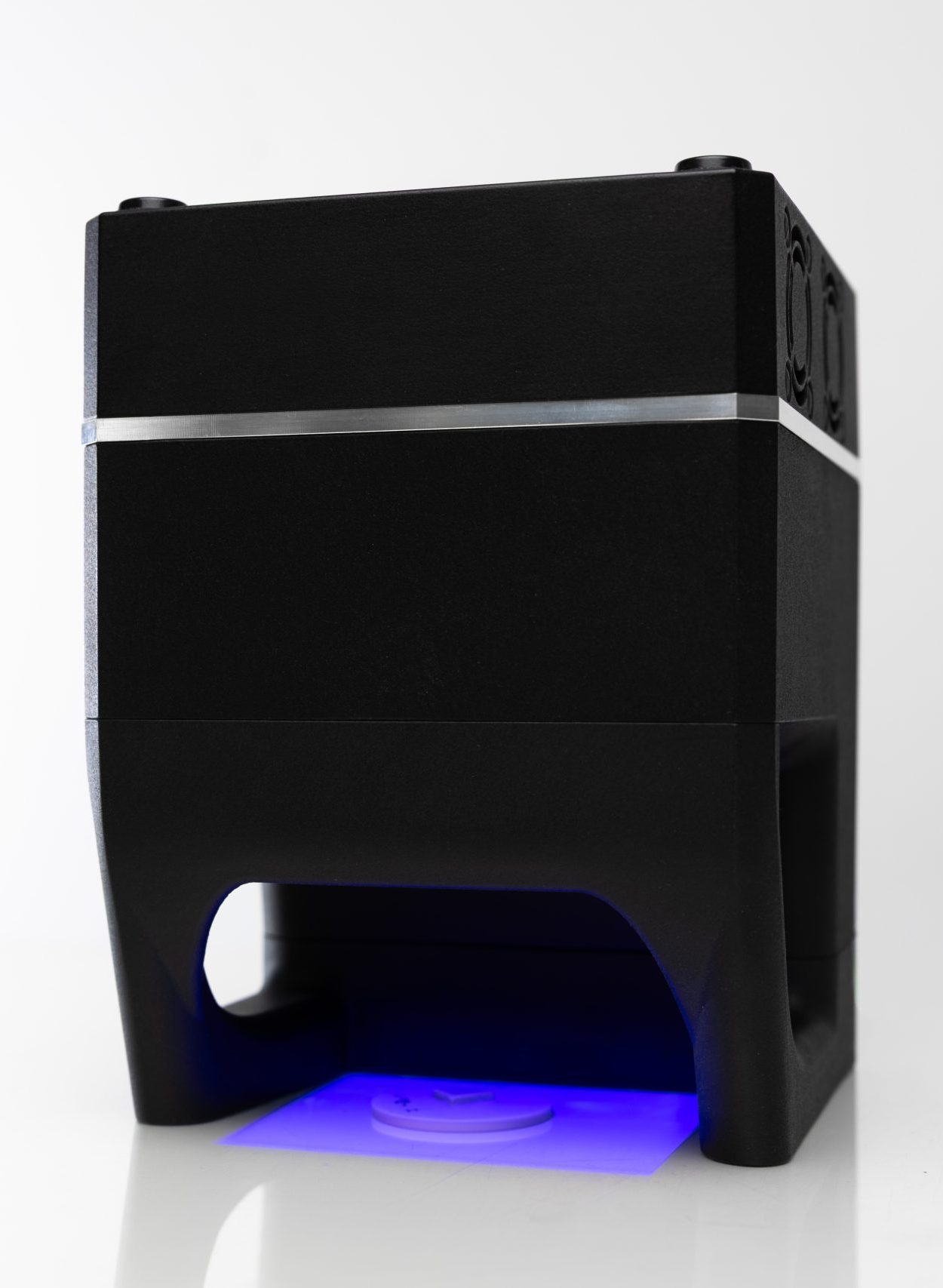
BTM one – Compact Industrial 3D Scanner
The BTM one is a industrial 3D scanner designed for high-precision, rapid area scanning and analysis across various industries.
Key message
Bluelynes Technolgy
fast data acquisition
IP54
€9.940
This is the suggested retail price. For a special price, please contact a partner in your region.
Performance Metrics

8M
Data points per scan

81.33 mm x 76.2 mm
Scan area

<0.1 s
Data acquisition time

6 µm
Depth resolution
3D Capture.
Endless Information.
Endless Information.
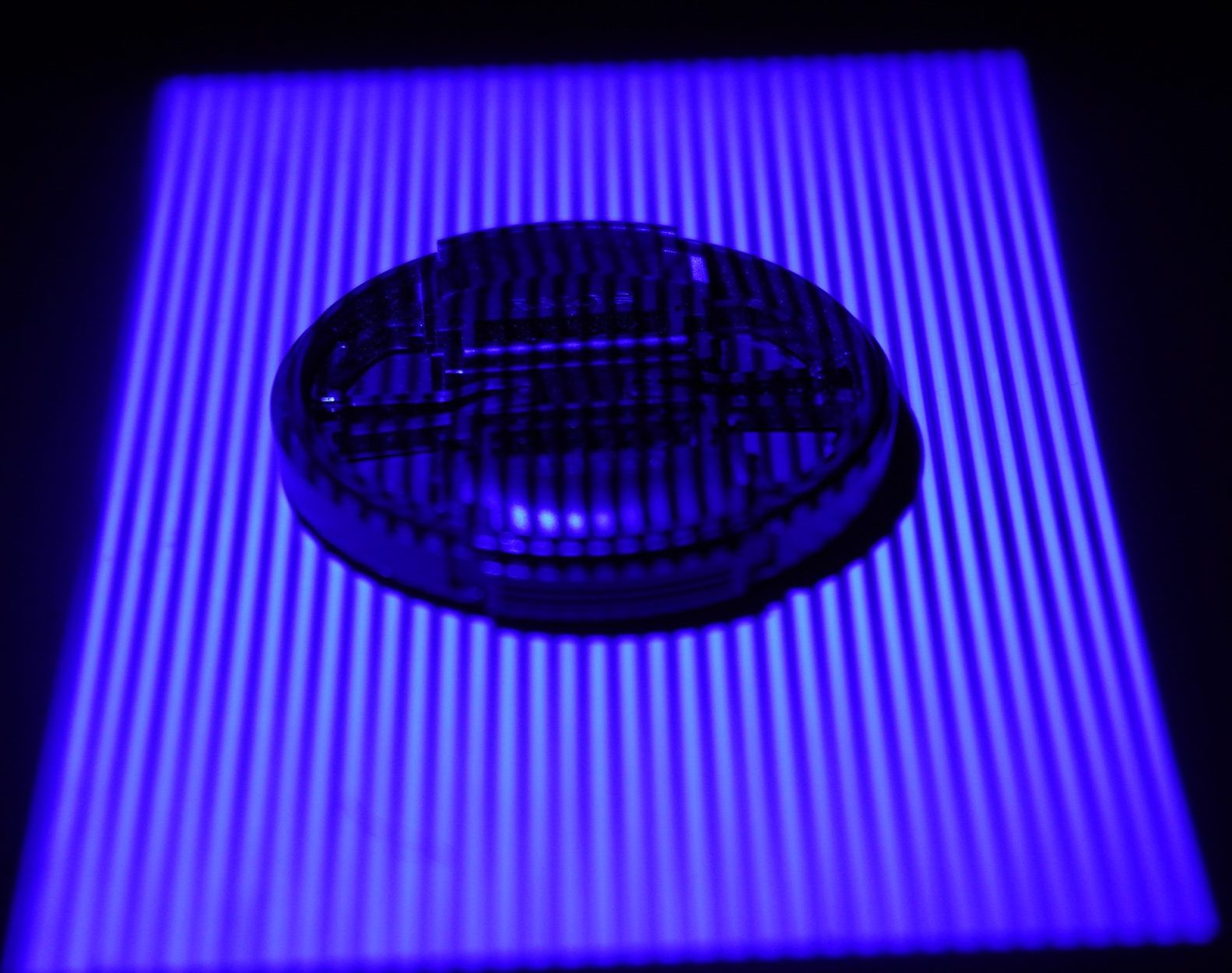
Step 1
Project
A series of structured light patterns is projected onto the object and captured as raw scan frames containing the deformed light geometry.
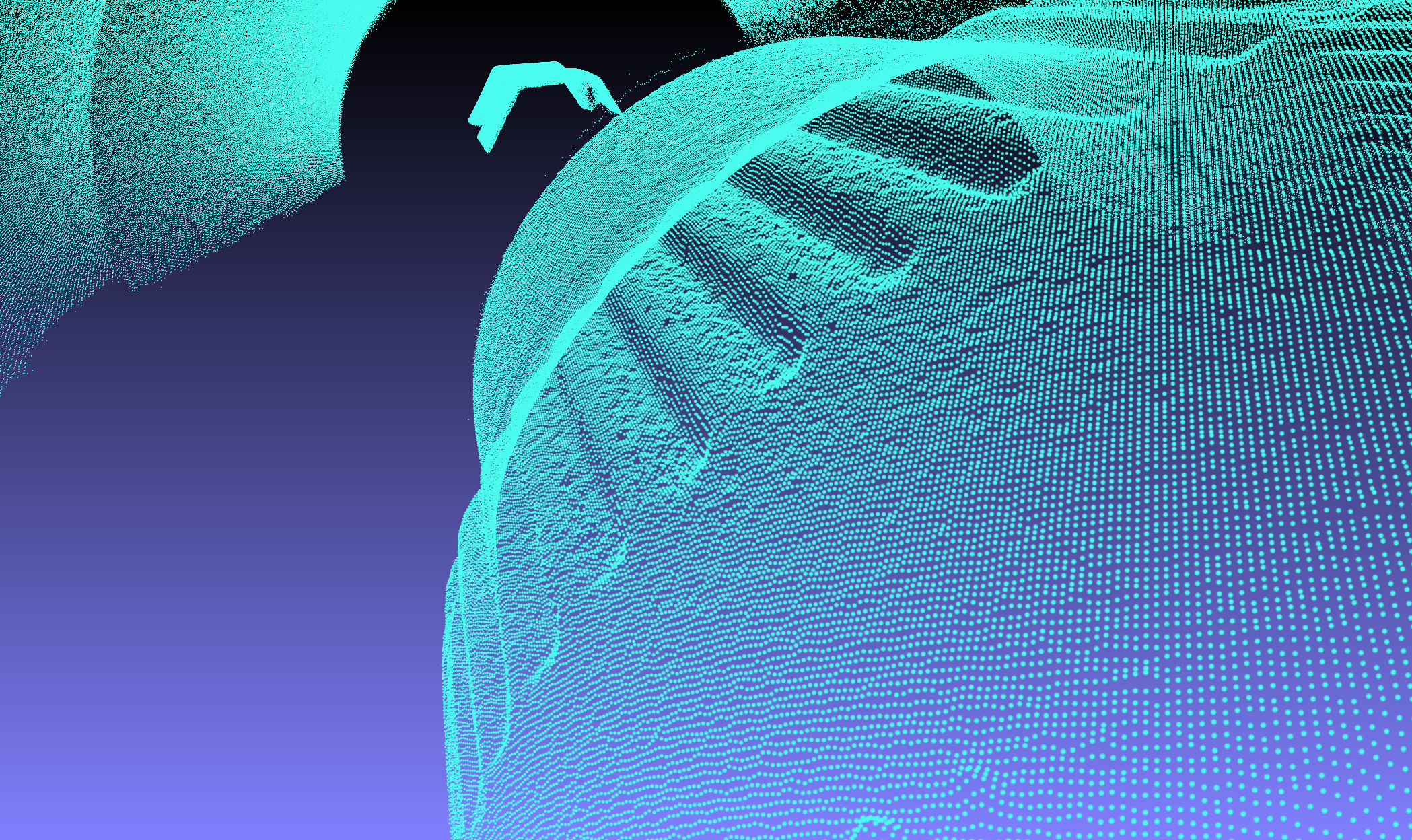
Step 2
Reconstruct
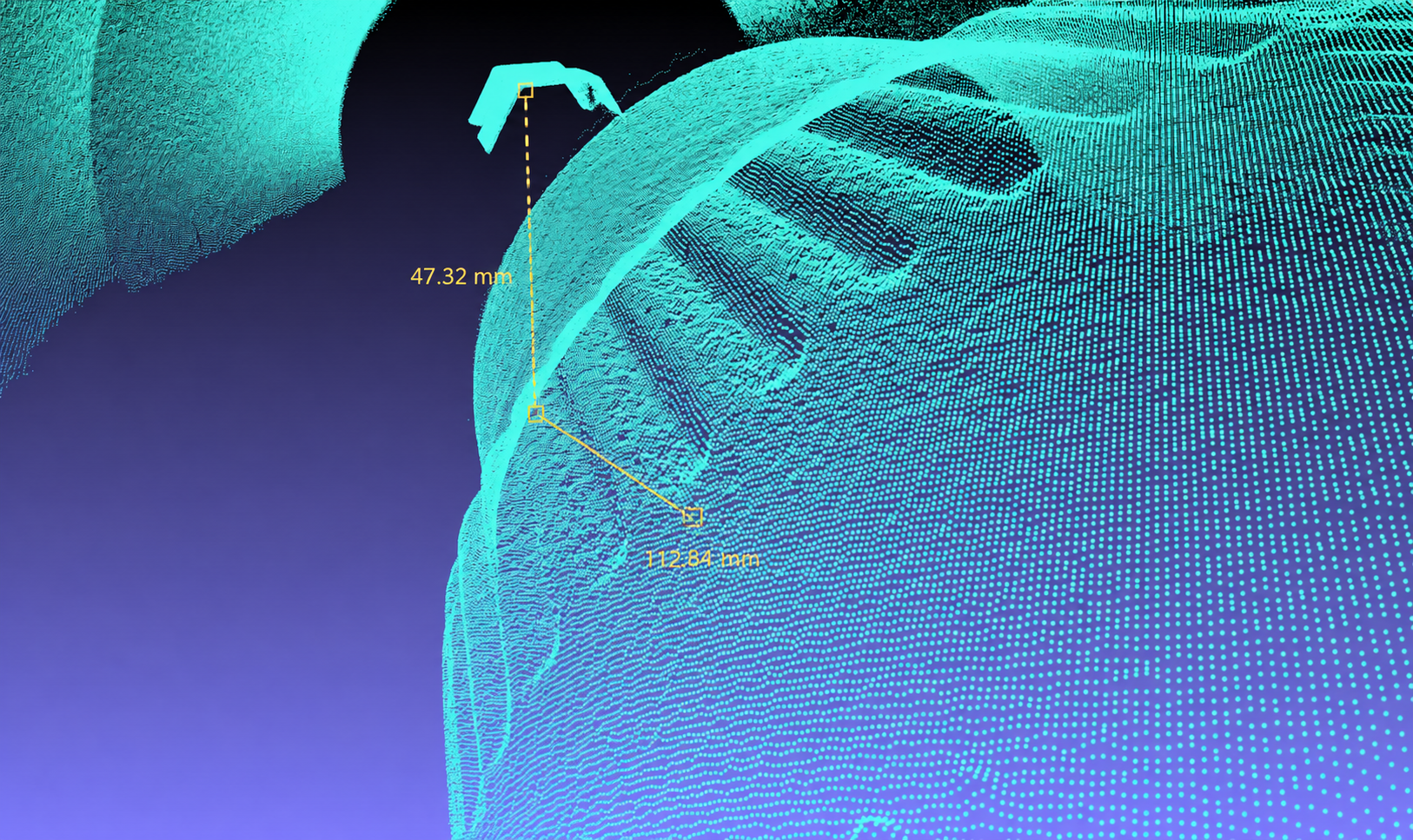
The captured scan data is reconstructed into a high-precision 3D point cloud, representing the surface areas illuminated by the projector and captured by the camera.
Step 3
Analyze
The reconstructed 3D data is analyzed to extract key geometric features, measurements, and surface characteristics of the object.

Capture the complete visible surface in 3D within seconds, with precise X, Y, and Z coordinates, without line-by-line scanning.
Frequently asked questions
Answers to common questions about capabilities, setup, and use cases
What is bluelynes® technology?
Bluelynes technology is the advanced, patented, optical technology for 3D-scanning developed by IDloop. The technology allows for a fast, high-resolution 3D-scan by using structured light. The light is projected onto a surface in a known pattern and deformed by the surface structure. By imaging the deformed light pattern with a camera, the 3D-surface is reconstructed via triangulation.
Bluelynes technology is highly customizable for different uses and can capture 3D surface details from a wide variety of capturing distances and with numerous variations in field-of-view. The resulting 3D-point cloud consists of millions of data points for the high resolution of surface details. Because bluelynes technology offers a fast scan of almost any surface, the object can even be in motion during the scan. With such flexibility in the range of parameters, it is not surprising that bluelynes technology has applications in many sectors. It has been successfully used in the high-security sector to scan biometric features, and it is also used for industrial 3D imaging–in surface inspection, reverse engineering, quality control, and inline and offline inspection.
Bluelynes technology is highly customizable for different uses and can capture 3D surface details from a wide variety of capturing distances and with numerous variations in field-of-view. The resulting 3D-point cloud consists of millions of data points for the high resolution of surface details. Because bluelynes technology offers a fast scan of almost any surface, the object can even be in motion during the scan. With such flexibility in the range of parameters, it is not surprising that bluelynes technology has applications in many sectors. It has been successfully used in the high-security sector to scan biometric features, and it is also used for industrial 3D imaging–in surface inspection, reverse engineering, quality control, and inline and offline inspection.
Can reflective, transparent, or dark surfaces be scanned?
The scanability depends on the optical properties of the surface and the measurement setup.
Reflective surfaces: Depending on the surface, changing the measurement angle may improve the measurement results. For more challenging surfaces, measurements from multiple angles or the use of a scanning spray may be required.
Transparent surfaces: Transparent surfaces typically require a scanning spray to obtain valid measurement data.
Dark surfaces: Dark surfaces can generally be scanned by adjusting the projector brightness to compensate for the lower amount of reflected light.
Reflective surfaces: Depending on the surface, changing the measurement angle may improve the measurement results. For more challenging surfaces, measurements from multiple angles or the use of a scanning spray may be required.
Transparent surfaces: Transparent surfaces typically require a scanning spray to obtain valid measurement data.
Dark surfaces: Dark surfaces can generally be scanned by adjusting the projector brightness to compensate for the lower amount of reflected light.
What is the typical scanning speed?
The scanning time depends on the selected scan mode and the computer or tablet used. A complete scan includes image acquisition, 3D data calculation, and data transfer to the connected device.
Image acquisition takes less than 0.1 seconds up to 2.1 seconds, depending on the scan mode. The longer scan mode uses more structured light patterns to achieve higher depth resolution and more detailed 3D data. The time required to calculate and transfer the 3D data depends on the performance of the connected device.
Image acquisition takes less than 0.1 seconds up to 2.1 seconds, depending on the scan mode. The longer scan mode uses more structured light patterns to achieve higher depth resolution and more detailed 3D data. The time required to calculate and transfer the 3D data depends on the performance of the connected device.
Can scan data be exported directly to CAD software?
IDloop provides a range of output options, including point clouds and images. These formats are generally not directly compatible with standard CAD software and may require additional processing or conversion before they can be used in a CAD workflow.
Is the software included with the scanner, and what features does it offer?
The BTM Capture software application is provided with the scanner and can be downloaded after purchasing the device. It is designed for capturing 3D scan data and provides a range of settings, including scanning mode, projector brightness, camera gain, filter options, and output formats.

Create Your Account
Fill this registration form out and you're good to go
Already have an account?
Login
Forgot Password?
Enter your email address and we will send you a password reset link.
Remember your password?
Login