
Cart
Support
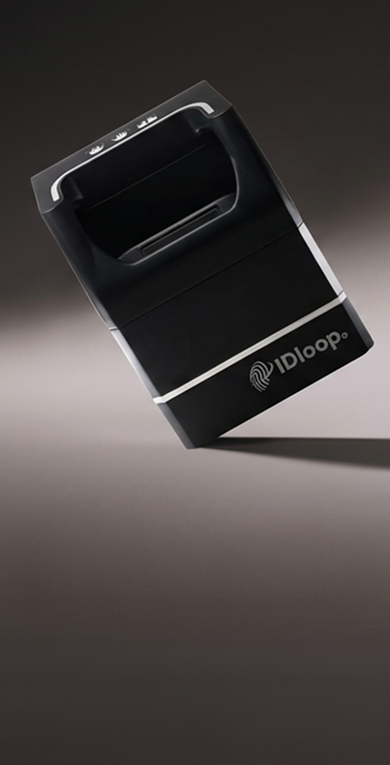
The world’s first FBI-certified contactless 3D fingerprint scanner
CFS captures true 3D fingerprints with structured light, then converts them to 2D — fully compatible with every major fingerprint database in use today.
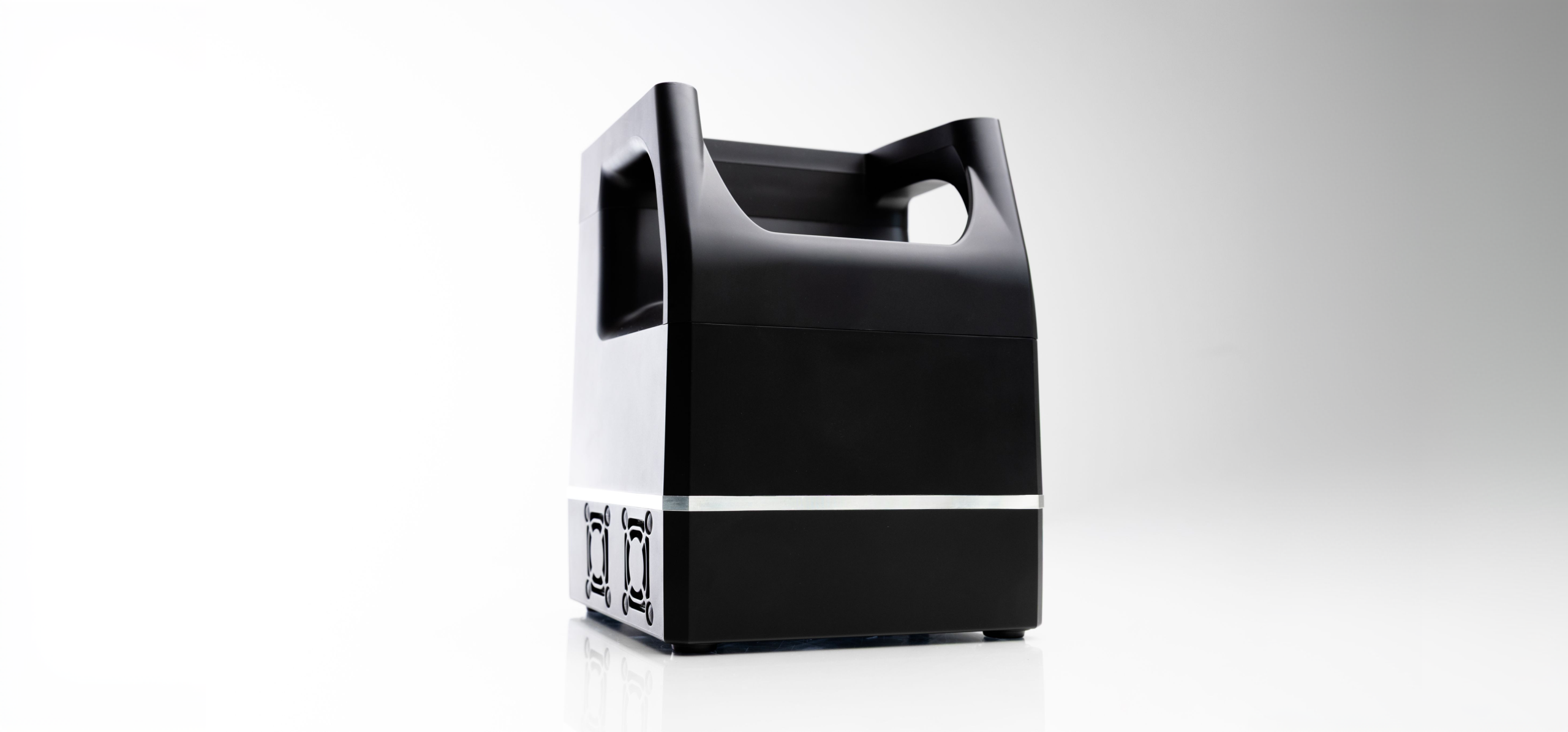
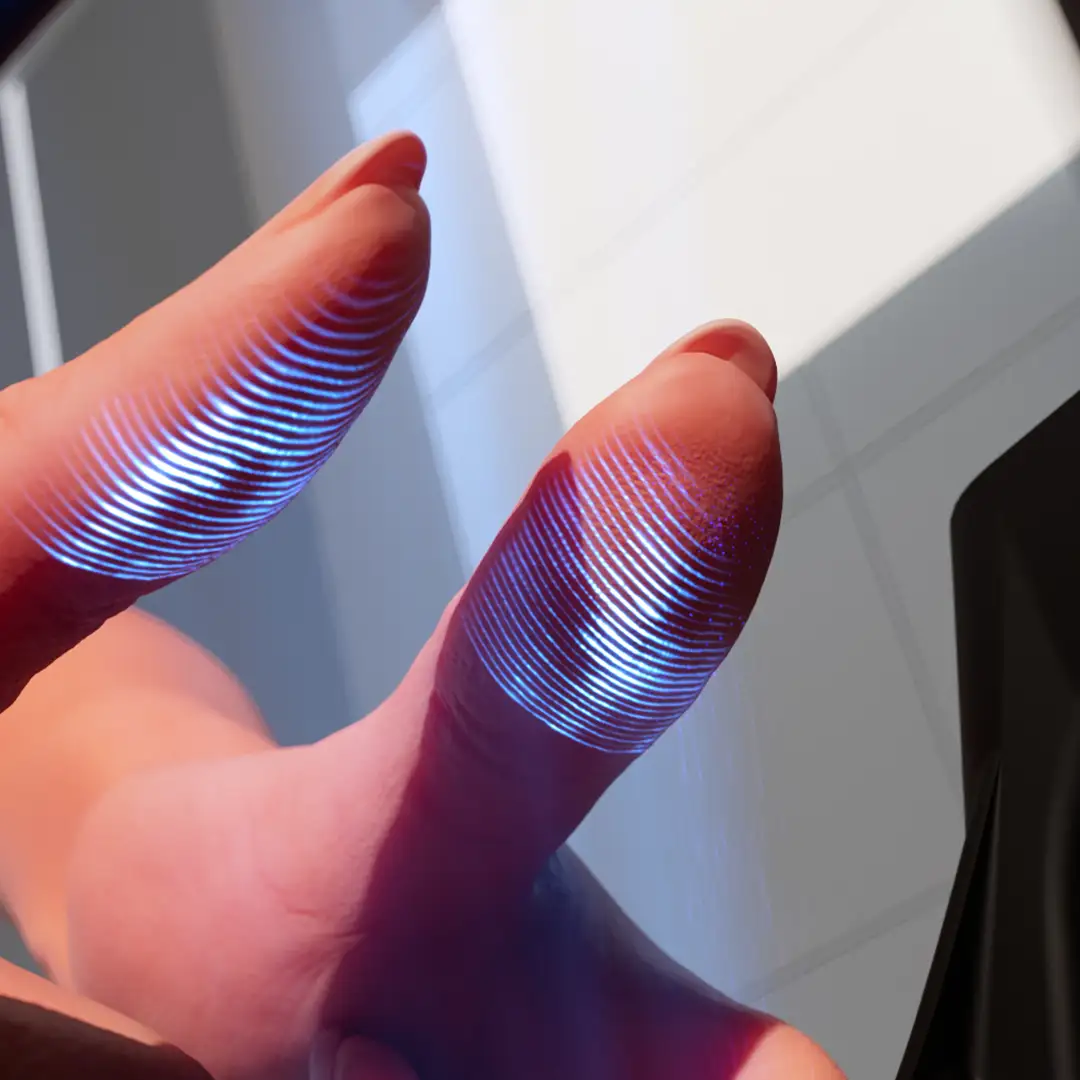
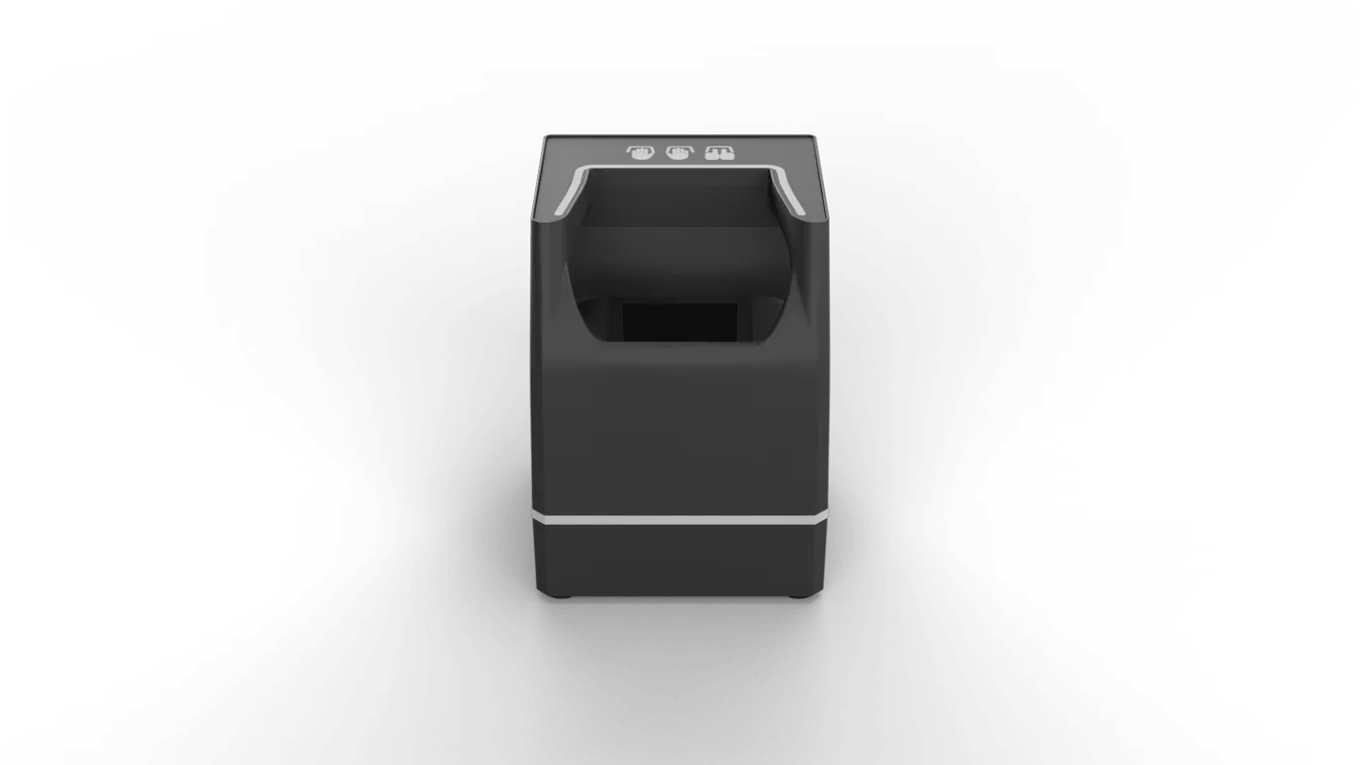
CFS is IDloop’s flagship contactless 3D fingerprint scanner, designed to capture four fingerprints simultaneously with exceptional speed and accuracy. Instead of taking just a simple photo, the CFS records the microscopic 3D geometry of each fingerprint. It delivers consistent, distortion-free biometric fingerprint data independent of lighting conditions, skin moisture or color, and motion. Therefore, not only can CFS be used for verification, but also for enrollment of fingerprints into government databases.
Because CFS captures all ten fingerprints without a single touch, it eliminates the problems that come with surface contact. There’s no bacterial or viral transfer — a fundamental safety requirement in hospitals, healthcare registration points, and any high-traffic public location. It retains no latent prints, so there are no residual fingerprints to trigger false matches or leave a replicable biometric trail behind. It carries no cleaning overhead: no protocols, consumables, compliance burden, or hygiene costs between users.
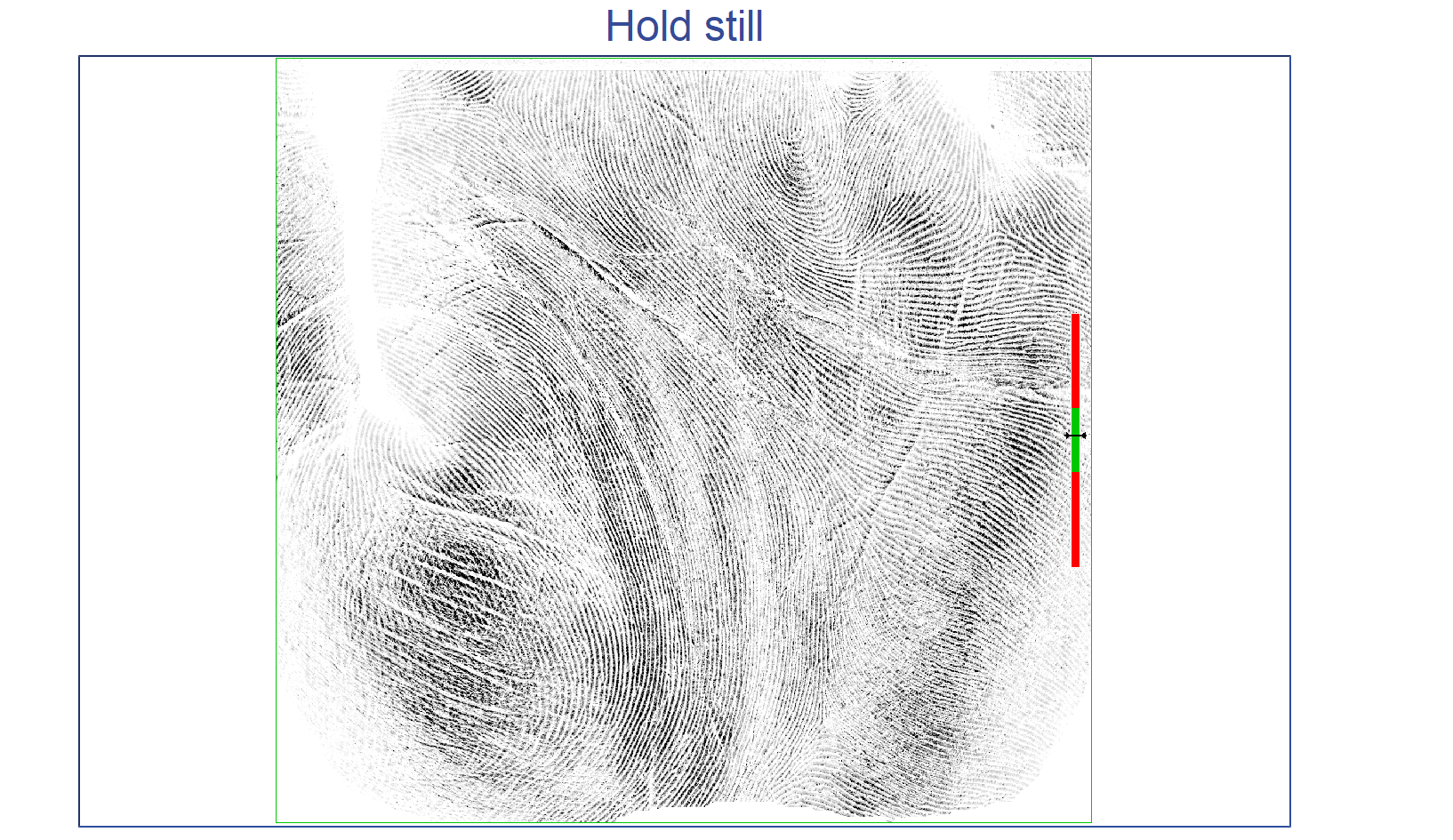
CFS palm is the palm modality of the CFS family. It is designed to reconstruct and unroll the full palm surface. Because of the contactless capture it reaches the parts of the hand that contact scanners struggle with: the concave centre of the palm and the writer’s palm along the outer edge.
A palm naturally curves inward, but a contact scanner’s platen is flat. Where the two don’t meet — the pocket at the centre of the palm — a “dead spot” forms and biometric detail is simply lost. To force the concave centre into contact, operators press the hand down hard against the platen. But pressure is its own enemy: pressing pliable skin against a flat surface distorts the ridge pattern, and contact capture already carries a higher rate of partial or degraded images from skin deformation, slippage and smearing.
One touchless capture records the palm easily for your palmprint databases and seamless verification and access.
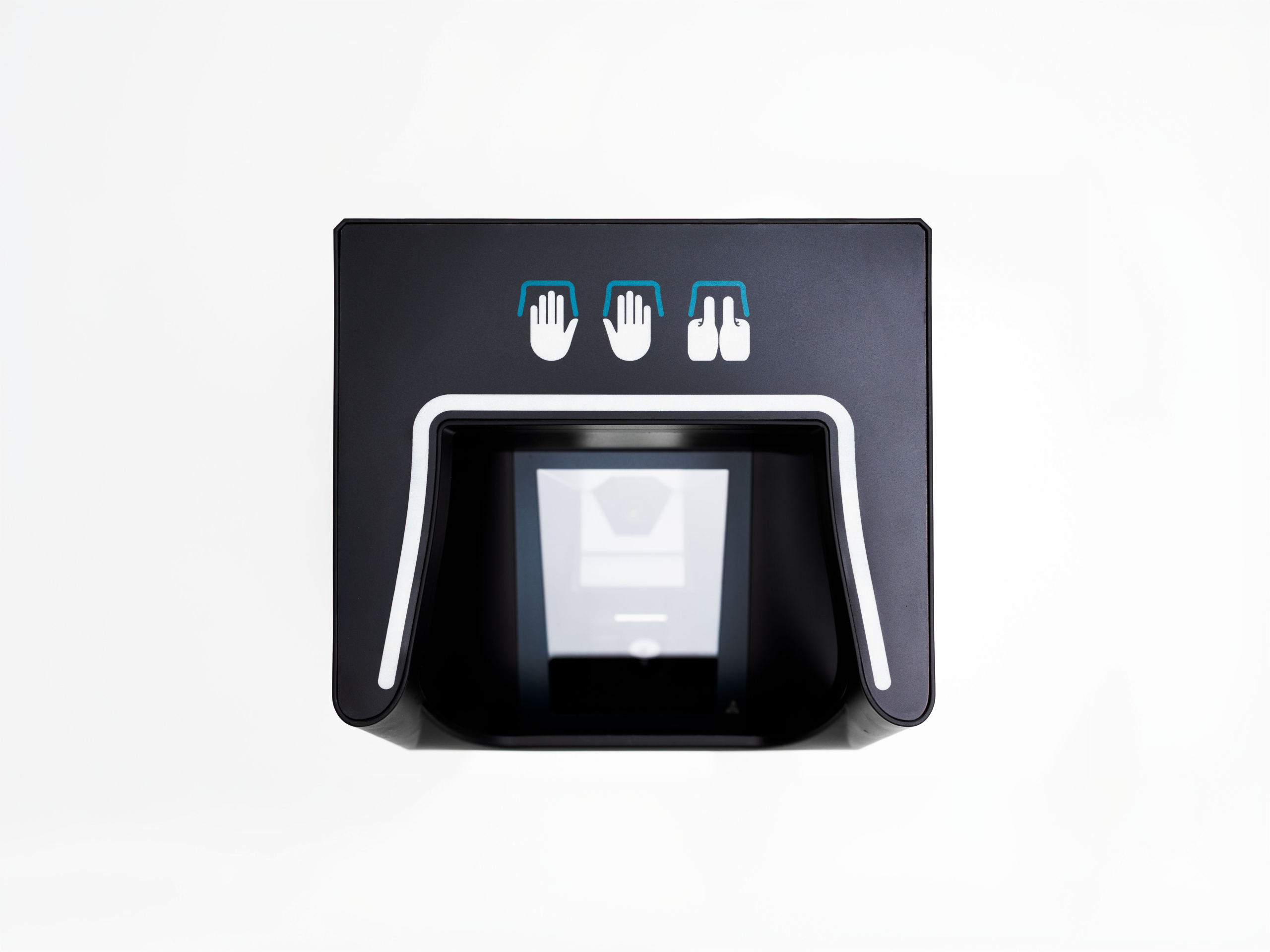
CFS roll is the rolled-print modality of the CFS family. Utilizing the same hardware as the CFS and upgraded software tuned to reconstruct a full nail-to-nail print. Rolled fingerprints remain the standard for law enforcement and are required across a wide range of civil and applicant background checks. They exist because the latent prints left at a crime scene often come from the sides of the finger— and because their larger surface area carries more minutiae, which increases comparison accuracy. Conventional rolling requires a trained officer to hold the subject’s finger and hand and physically rotate them against a rigid platen, and the speed and pressure of that roll introduce distortion into the image. Poor print quality — smudged, faint, or incomplete impressions — is the single most common reason fingerprint submissions of rolled prints are rejected and take up a lot of time.
CFS roll removes the platen from the equation entirely. Because capture is contactless, there is no surface to smear against and no need for an operator to press or rotate the finger — the distortion introduced by rolling speed and pressure simply cannot occur.
2D Compatibility
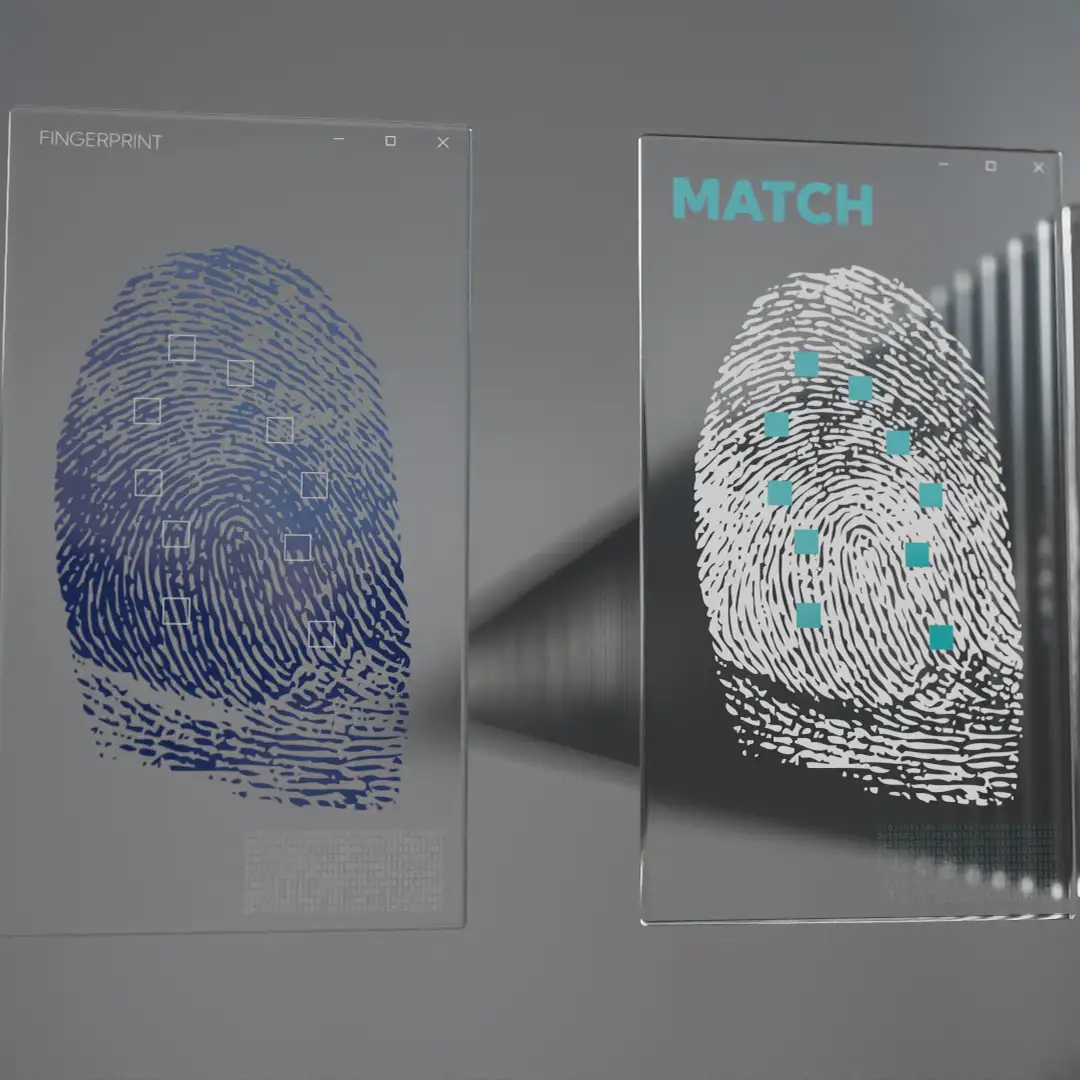


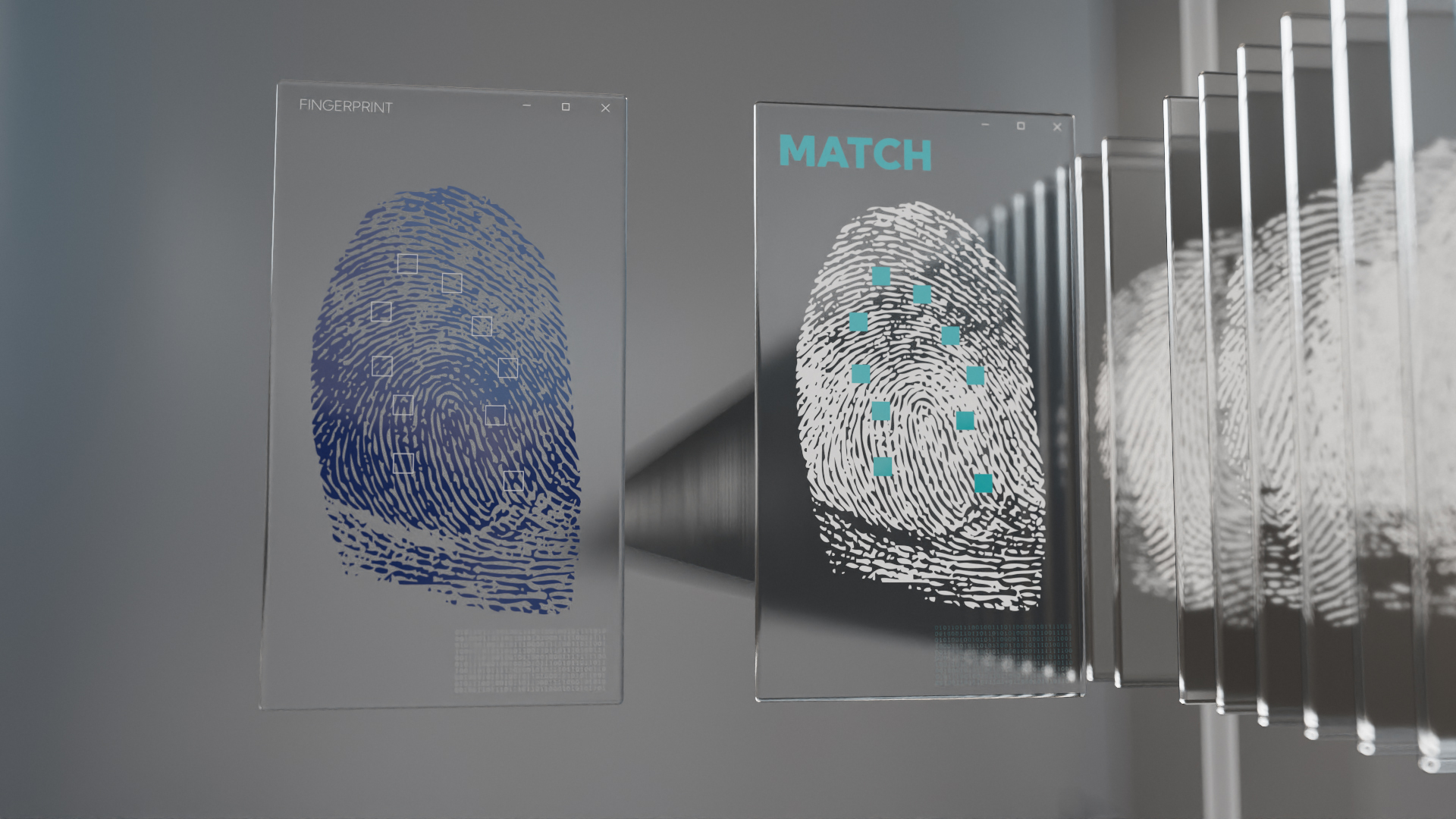
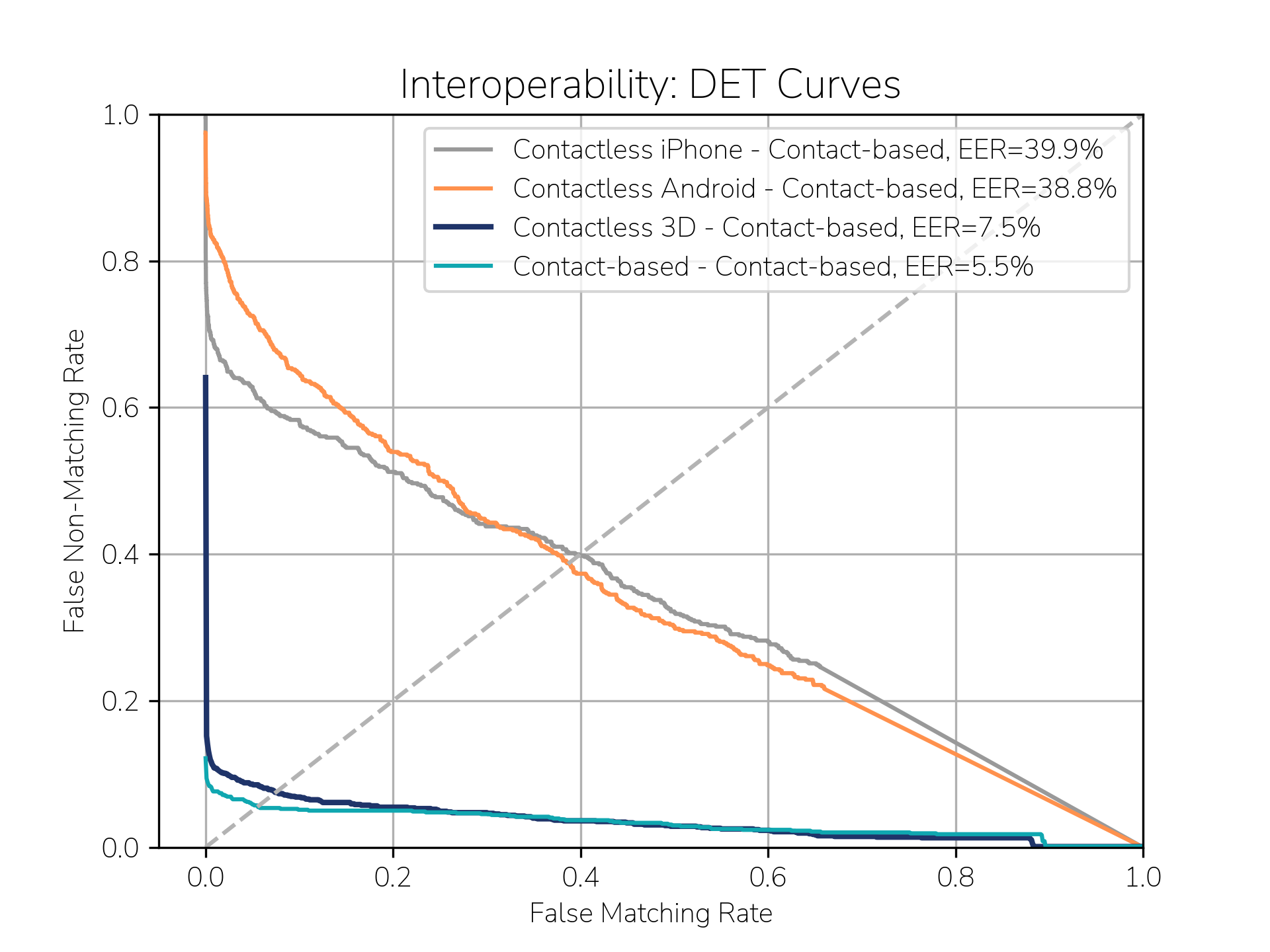
Organizations don’t need to replace their existing biometric backend to adopt CFS. The system generates fingerprint data that integrates with established contact-based databases while maintaining highest compatibility with existing comparison algorithms.
When comparing fingerprint images from contact-based scanners against CFS and other contactless systems like Android and iPhone captures, results show that CFS outperforms smartphone camera systems, because of the superior 3D technology. The CFS images match very well to current government fingerprint databases, making it the best choice for contactless government applications.
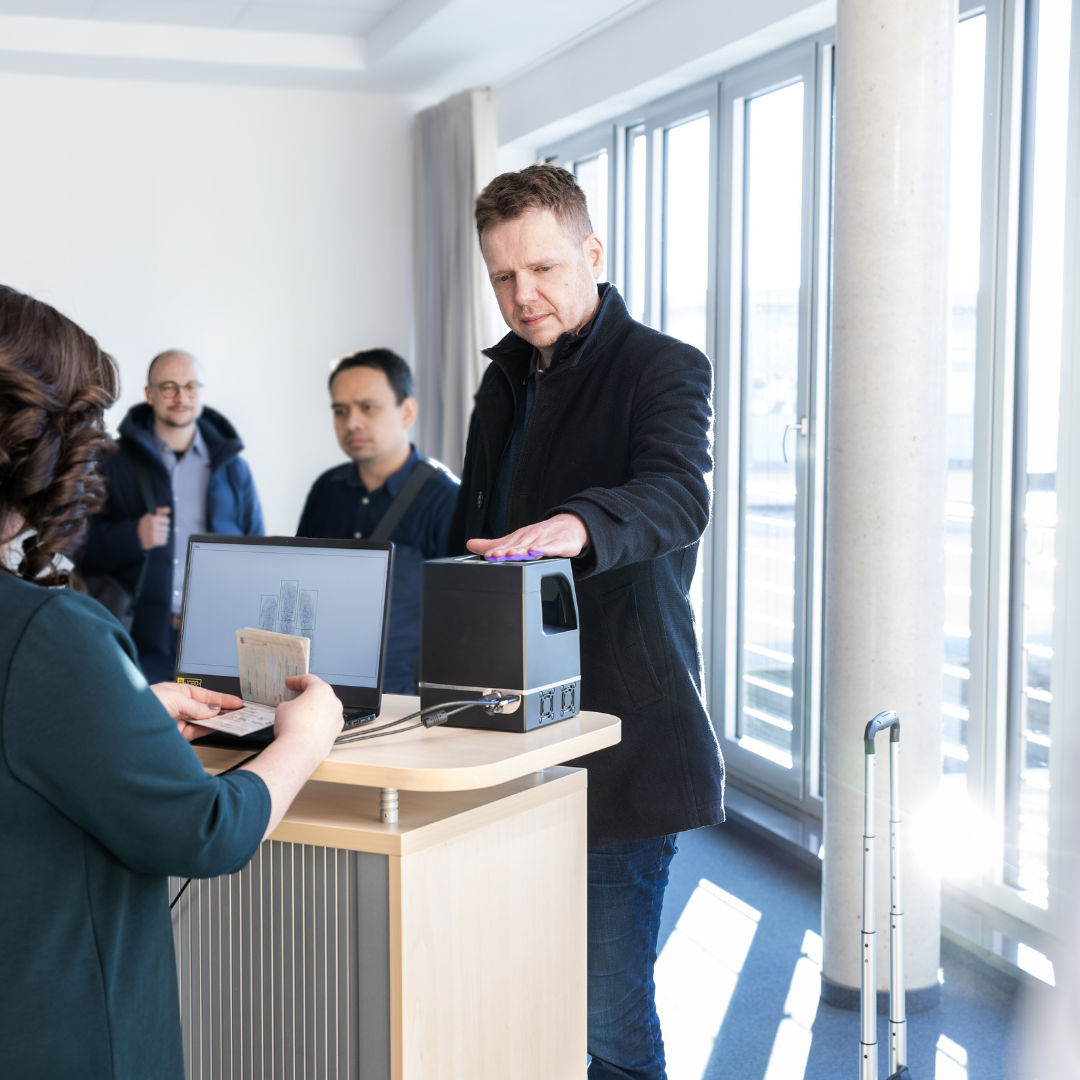
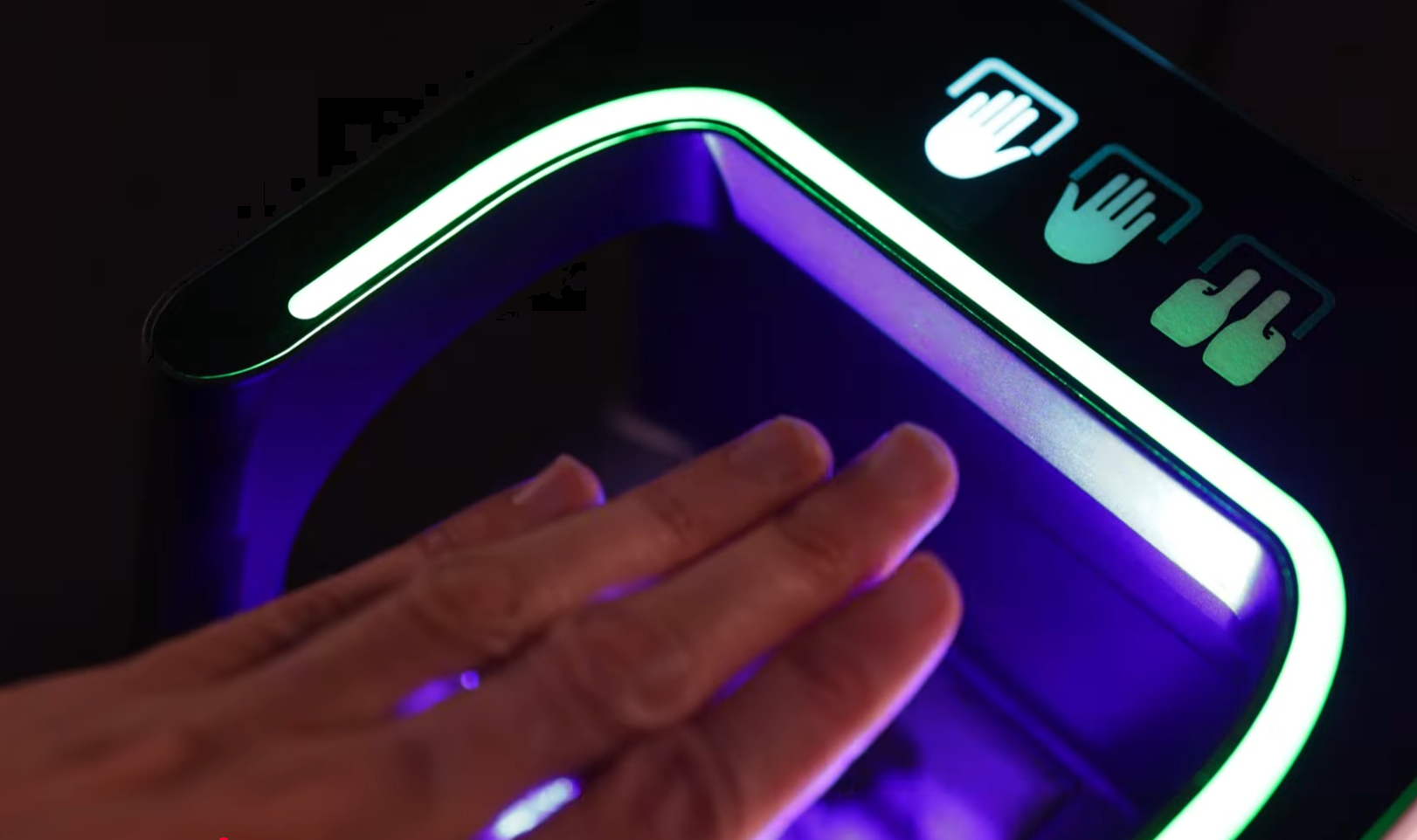

Designed for high-volume enrollment and identity verification, CFS captures four fingerprints in less than 2 seconds and can complete a standard 4-4-2 capture sequence in under six seconds. Fast acquisition enables governments and organizations to process more people while ensuring seamless user experience, for example in high-throughput areas like airports, sea ports, civil identity registration centers and visa processing centers.
With the contactless advantage, delays caused by cleaning, inconsistent finger placement or varying skin and lighting conditions will be eliminated. Users can be scanned quickly and consistently with minimal need for repeated captures, maximizing operational efficiency.
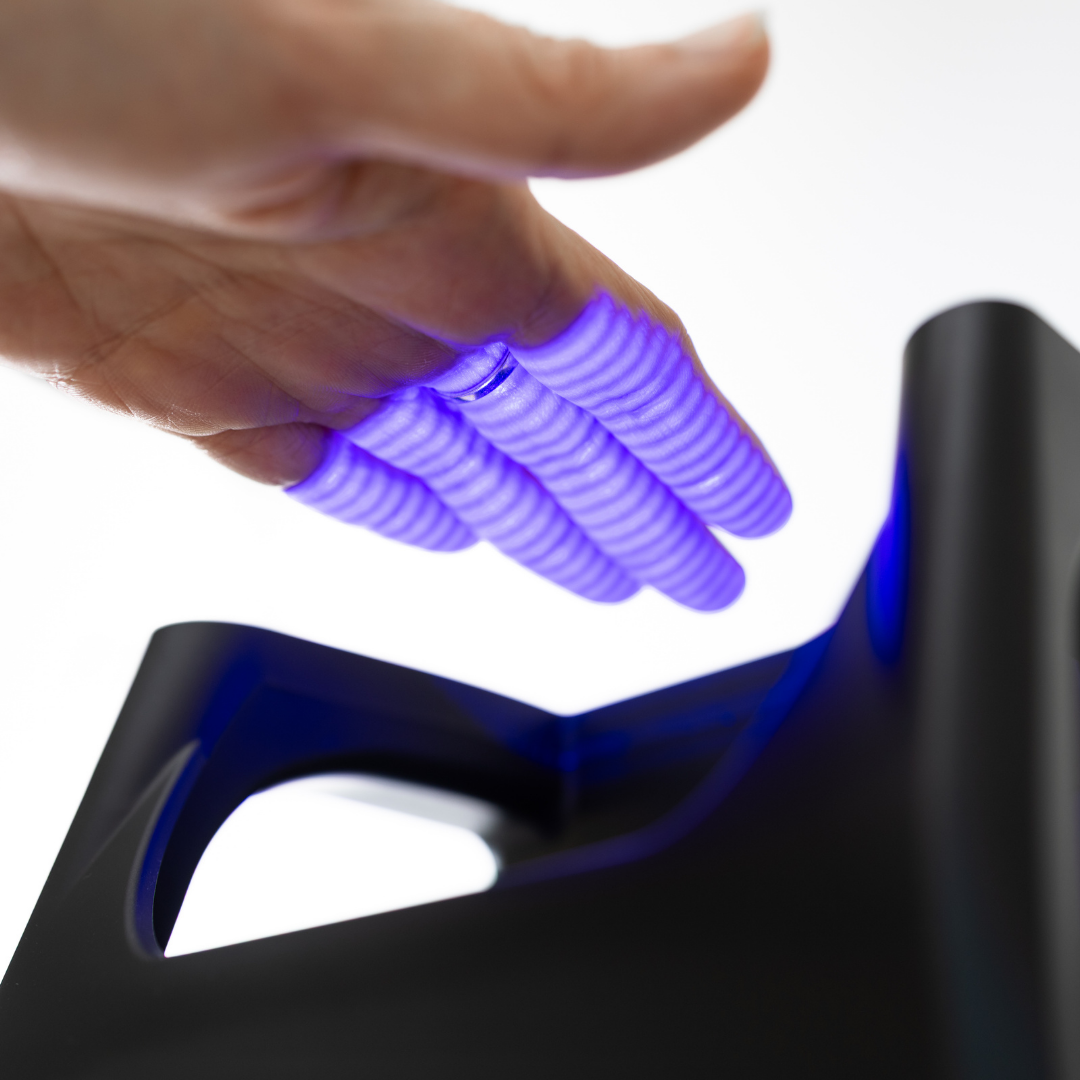
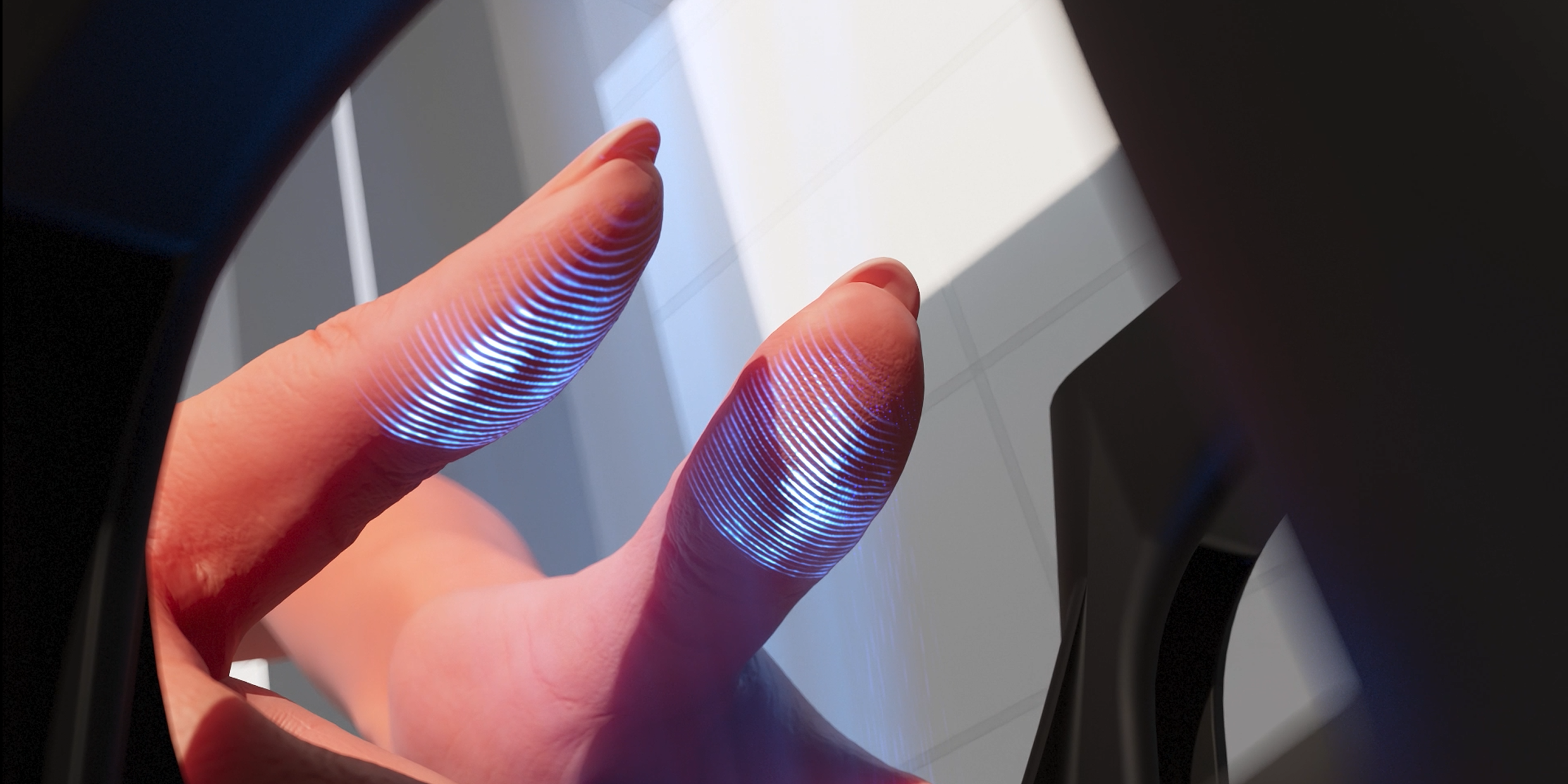
With old contact-based capture fingers pressed to a platen are a hygiene risk, a smear left for the next user, and one more press wearing down a surface that will eventually need cleaning, servicing, or replacing. The residual prints left behind, so called ghost prints, are also a security problem, because they can lead to false matches and leave a biometric trail sitting on the glass, readable by anyone.
CFS settles that tab by removing the surface entirely. With no contact of the fingerprints required on a surface during capture, there is nothing to disinfect between users, nothing to smear, and nothing to abrade. Hygiene is absolute, queues move faster, and the hardware’s operational lifespan is prolonged. For any agency responsible for critical infrastructure, borders, or public-facing enrollment, this is the important upgrade that raises security, speed, and safety at the same time.
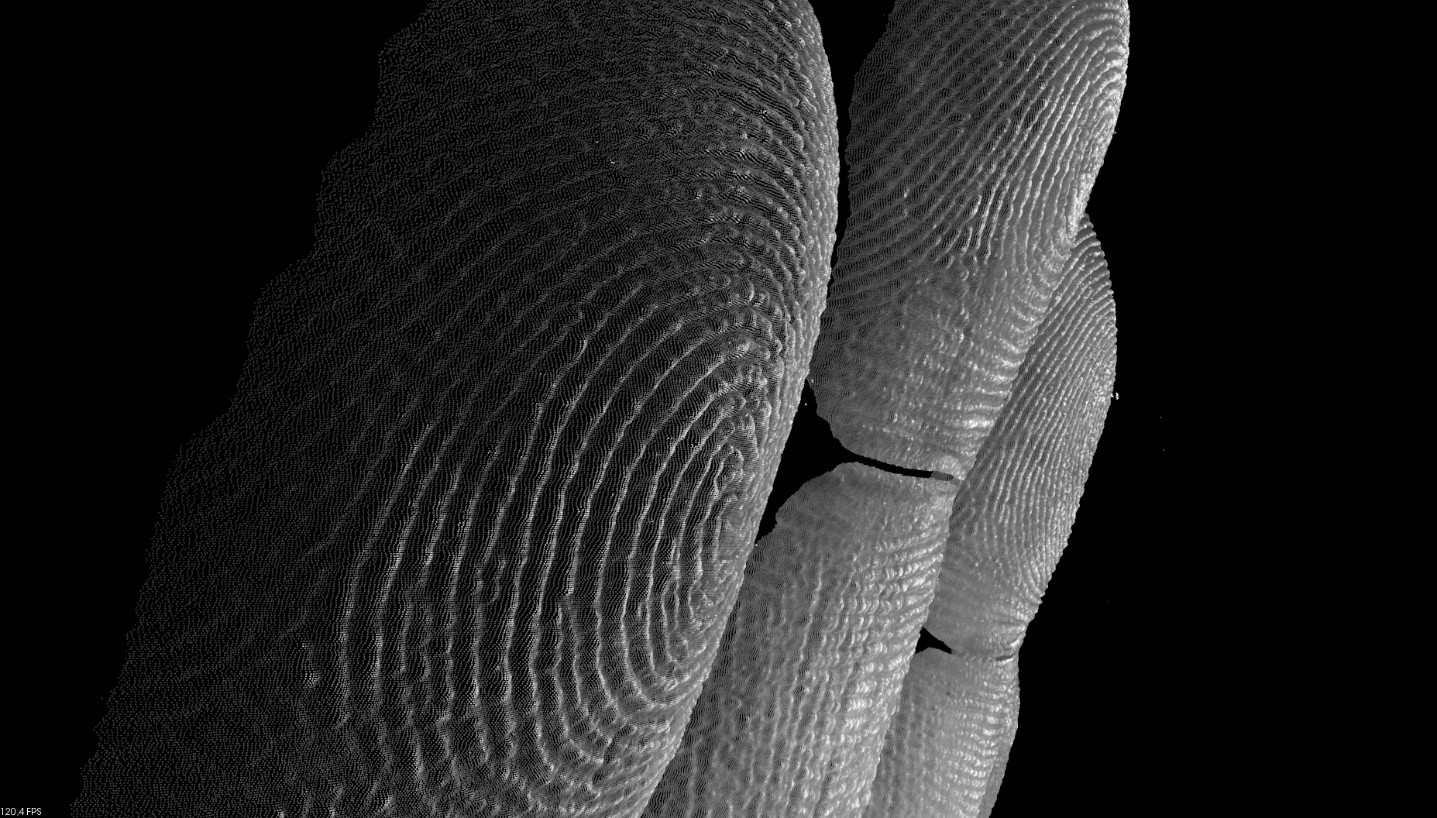
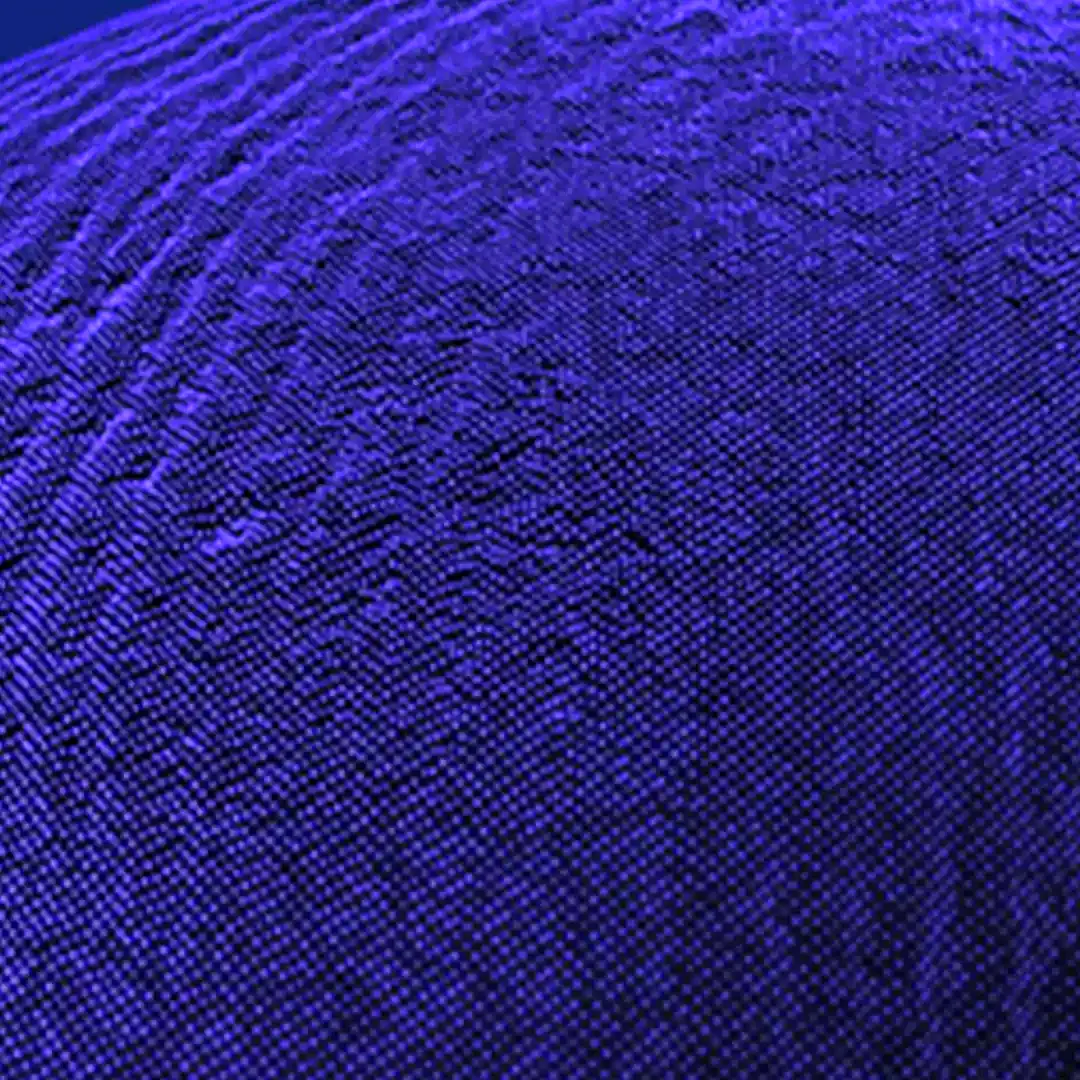
Most contactless fingerprint systems photograph a finger in 2D and then infer what they’re looking at. CFS doesn’t infer — it measures. Using structured light, it captures the true 3D geometry of every ridge and valley, which removes the sources of error that undermine 2D capture at the point where it matters most: identity.
The result are unique biometric features you can trust in the settings where trust is non-negotiable: critical infrastructure, where access must be certain; law enforcement, where the difference between a correct and an incorrect match is the difference between the innocent and the guilty; and border control, where verifying who someone is carries the highest possible stakes.
And because CFS captures microscopic depth instead of just a photo, it holds information a flat fake fingerprint simply can’t reproduce. That 3D data gives the system a foundation for presentation attack detection — distinguishing a real finger from a printed or replicated fake.



FAQs

Create Your Account