
Seeing What the Eye Can’t. Capturing What Touch Can’t.
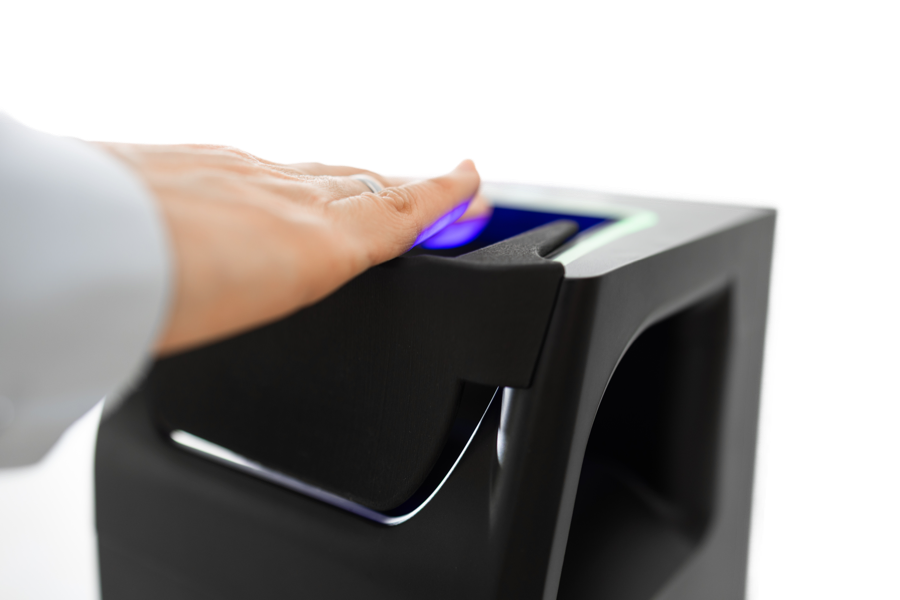
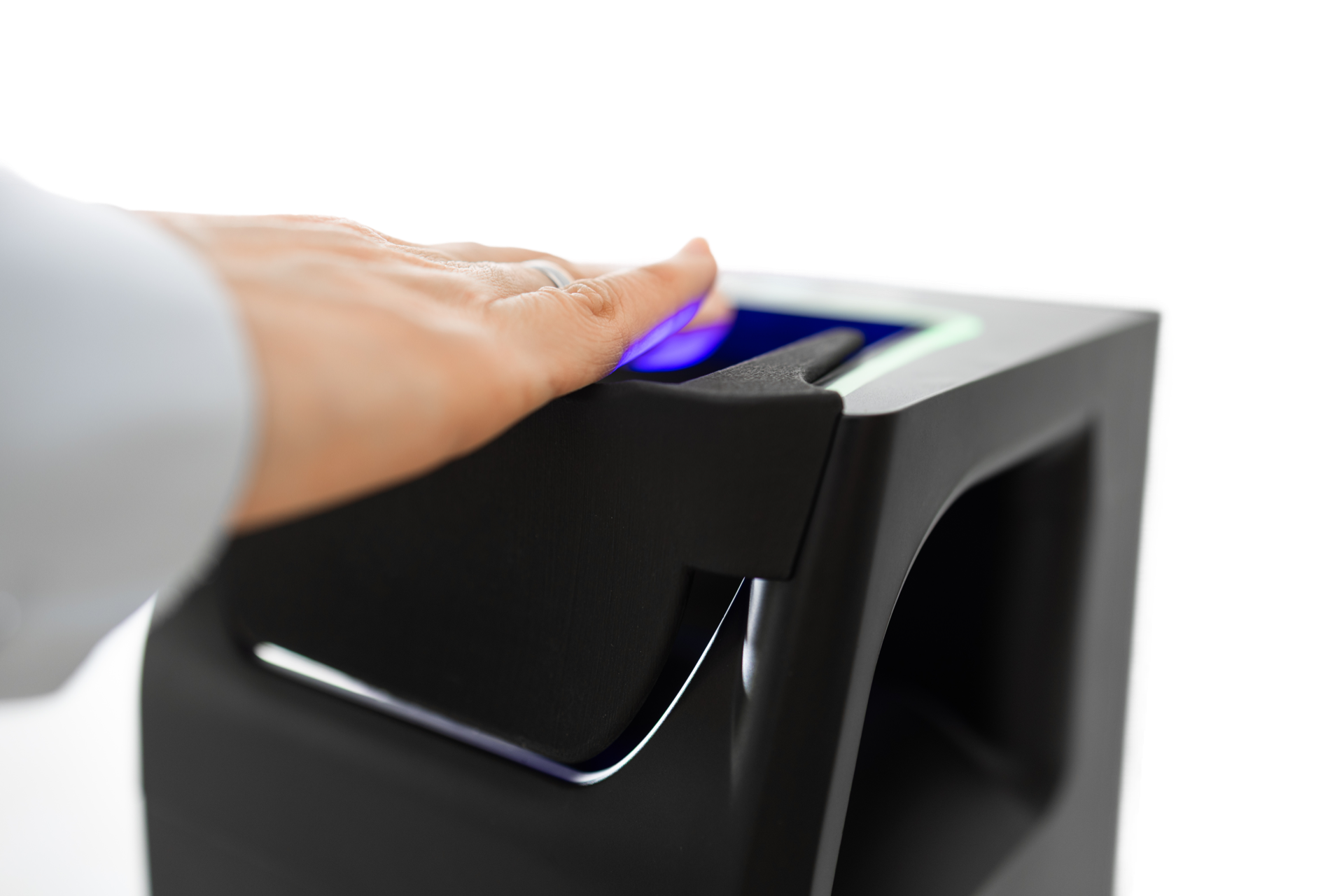
Light as a Measuring Instrument


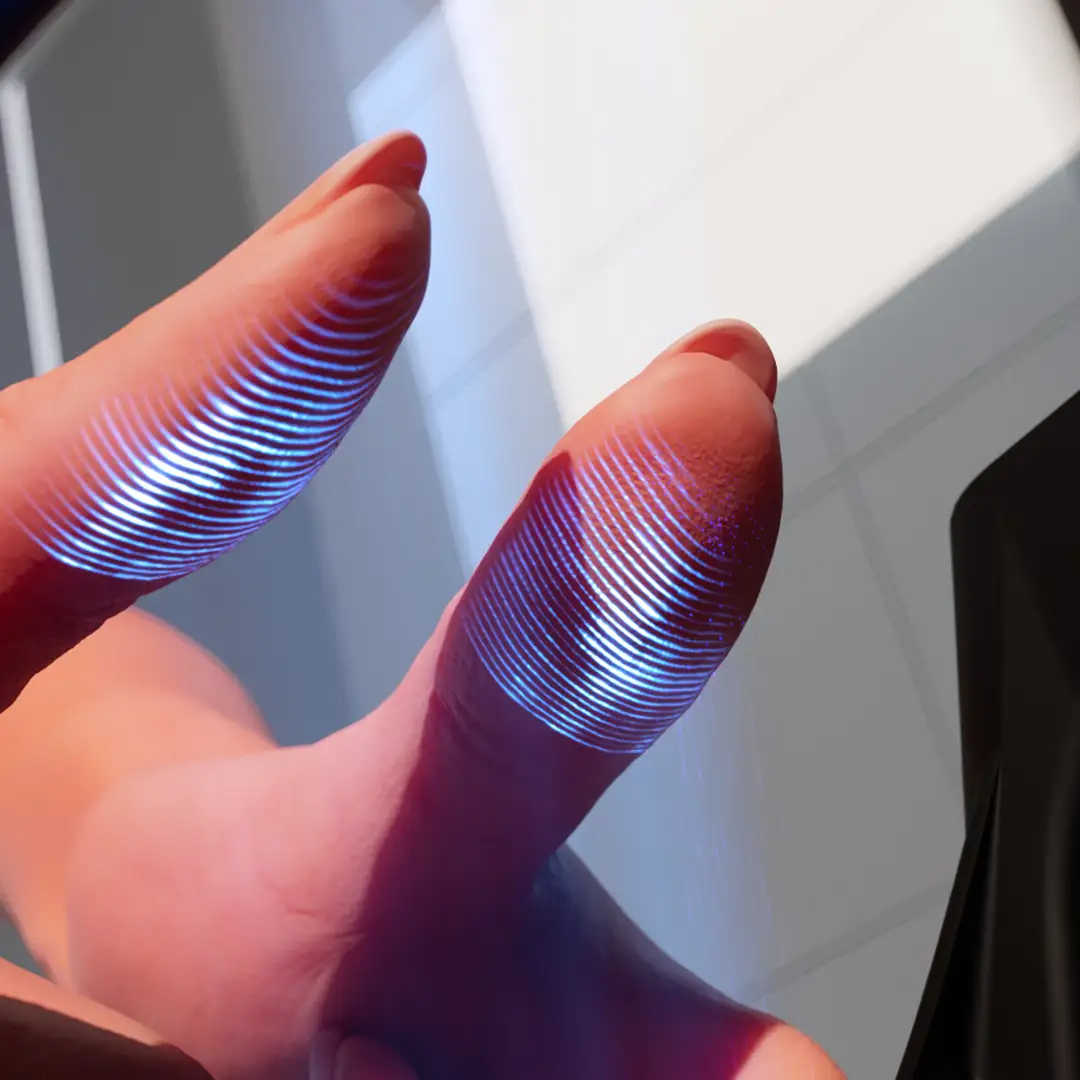
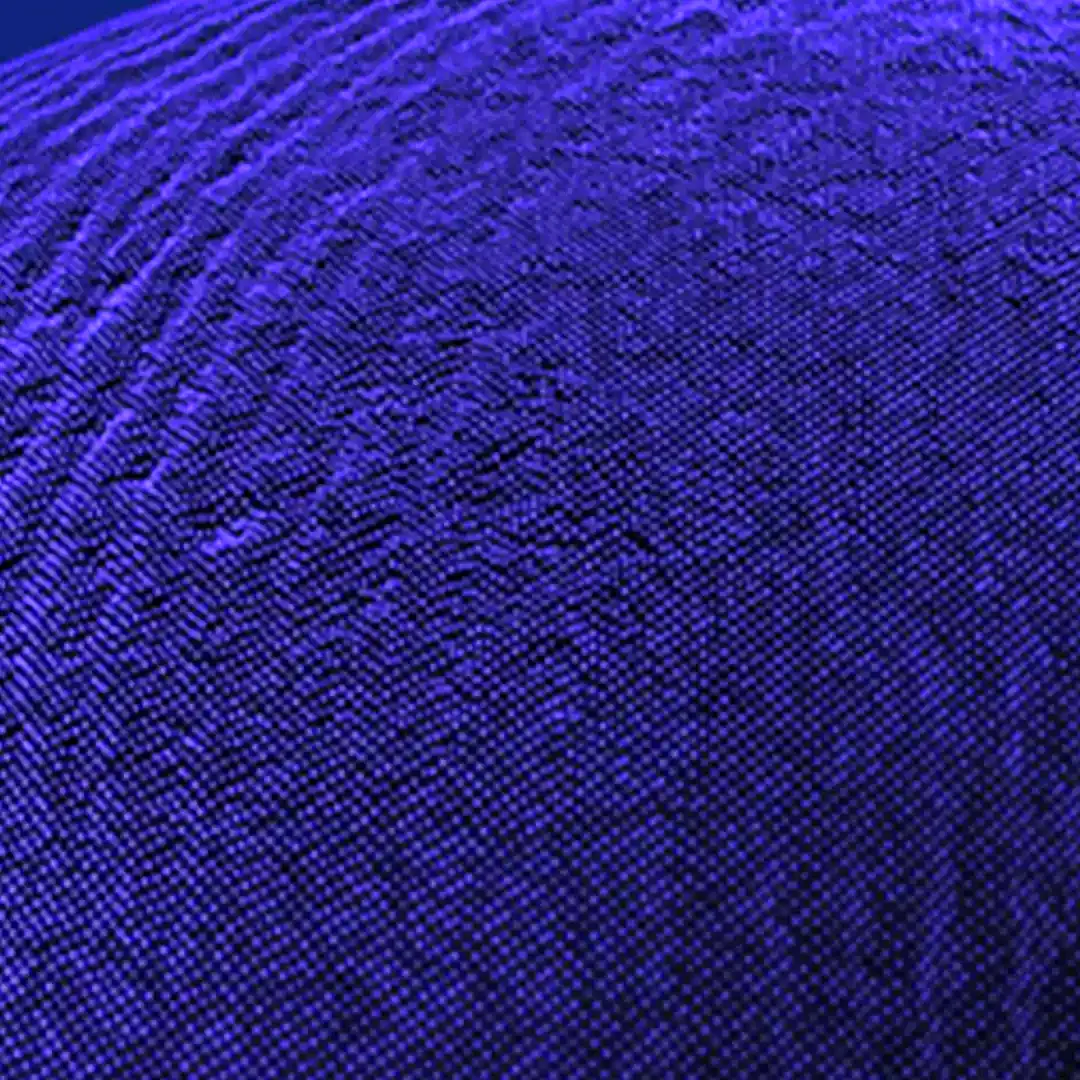
The principle is called structured light projection. A precisely defined pattern of blue light is projected onto the surface of the finger. Because a fingerprint is not flat — it is a complex, three-dimensional landscape of ridges, valleys, and curvature — the projected pattern deforms as it conforms to that surface.
A high-resolution camera captures this deformed pattern in real time. From the nature and degree of that deformation, the system mathematically reconstructs the exact 3D geometry of the fingerprint surface through triangulation — the same geometric principle used in precision engineering and industrial metrology.
The result
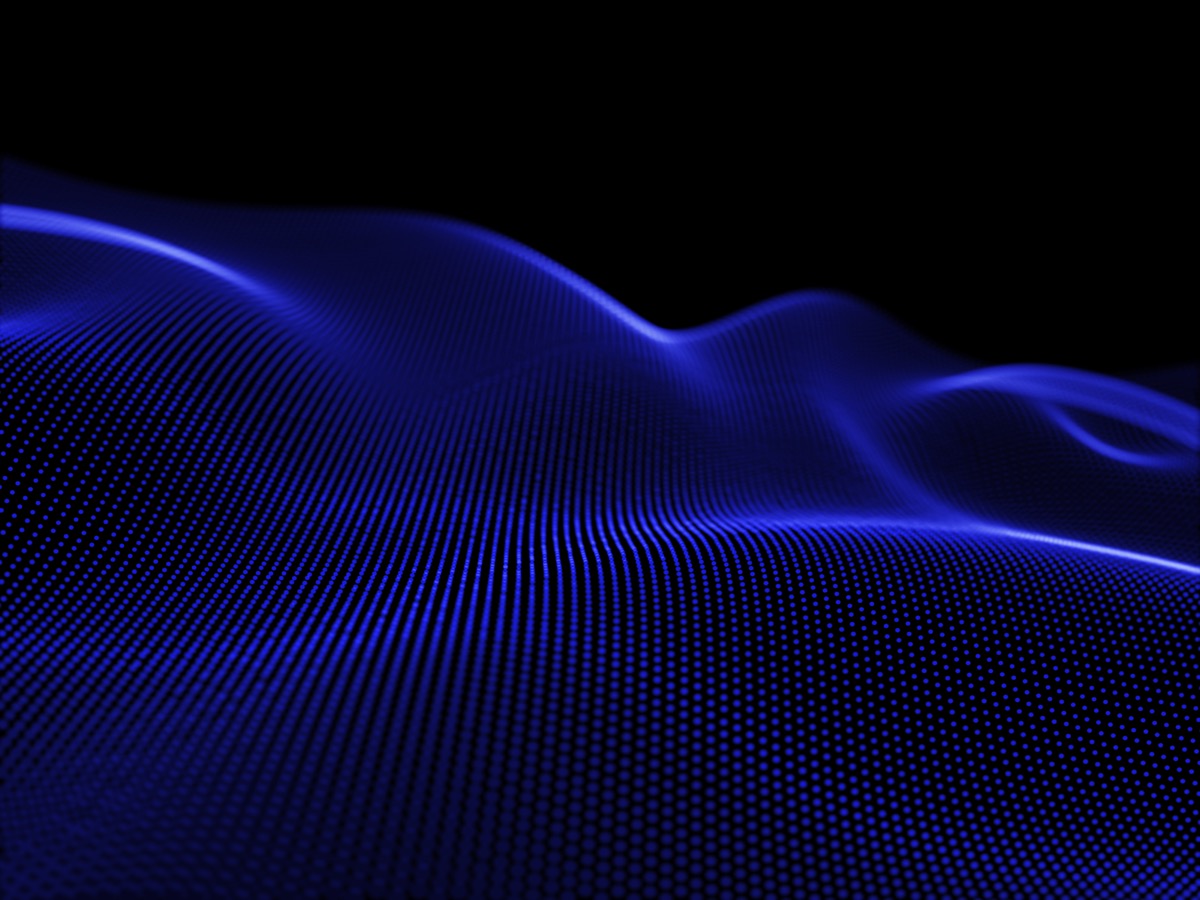
a complete 3D point cloud of the finger’s surface, built from up to eight million data points, captured in a single non-contact scan.
The choice of blue light is deliberate. Shorter wavelengths resolve finer surface detail, giving Bluelynes Technology its micron-scale precision advantage.
2D Compatible.
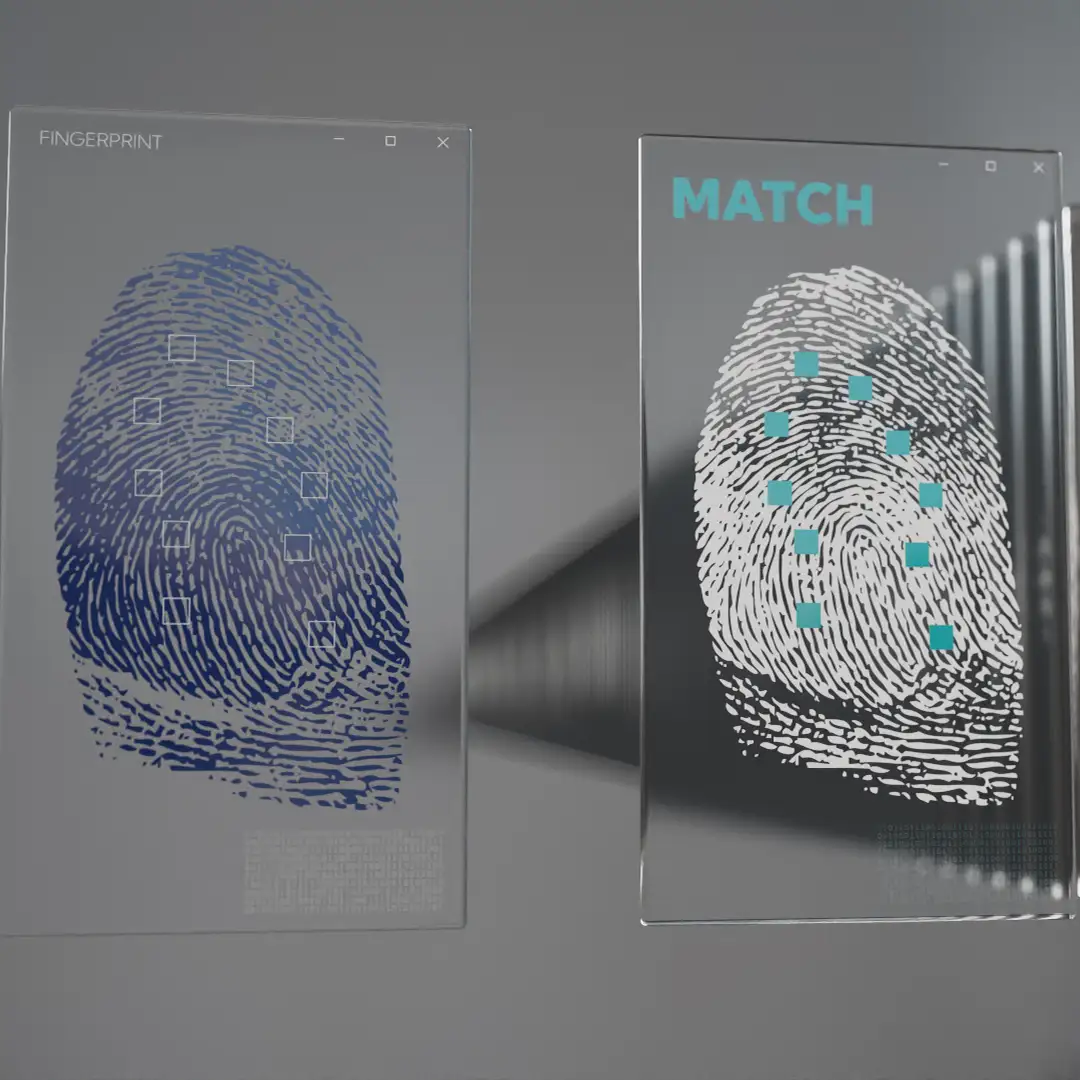

Not All Contactless Is Created Equal
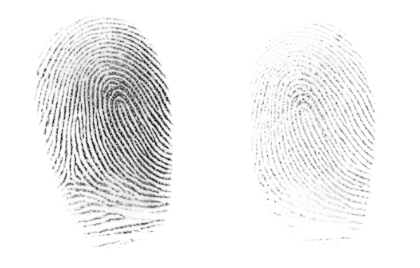
- No absolute scale reference
- Perspective distortion on curved surfaces
- Strong dependency on lighting conditions
- Possible ridge/valley polarity inversion
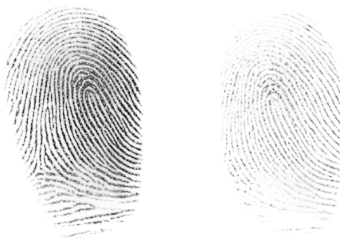
- Light source dependency
- Polarity inversion artifacts
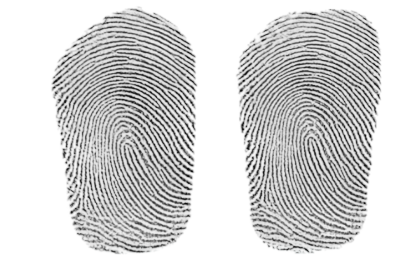
- Absolute scale accuracy
- No perspective distortion
- Independent from ambient lighting
- No polarity ambiguity
- Geometrically accurate ridge structure
Millions of Data Points. Microseconds to Capture.


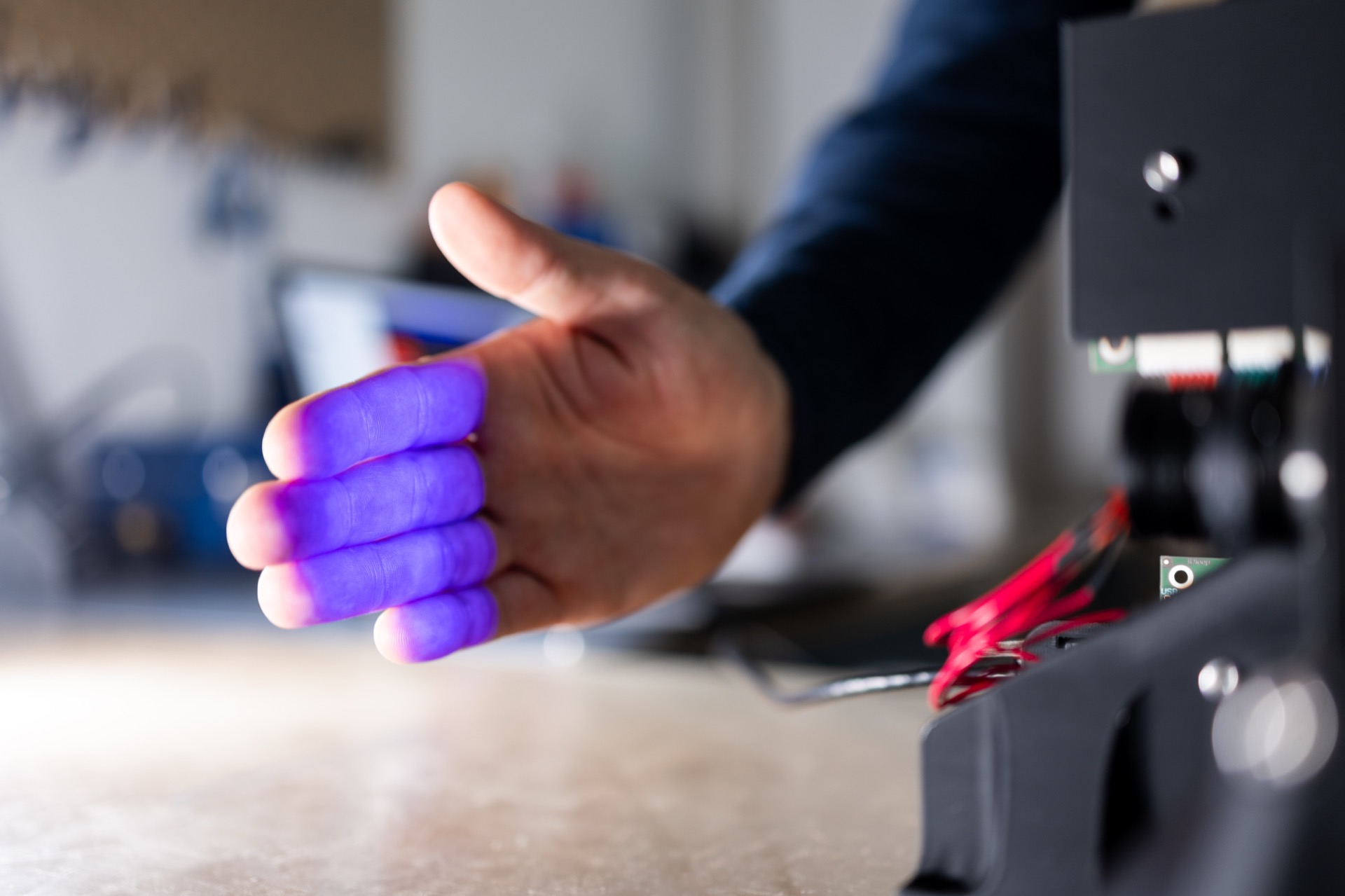
Built to Capture Under Any Condition


or dry skin

tolerant

skin tones
A Deliberate Choice of Physics

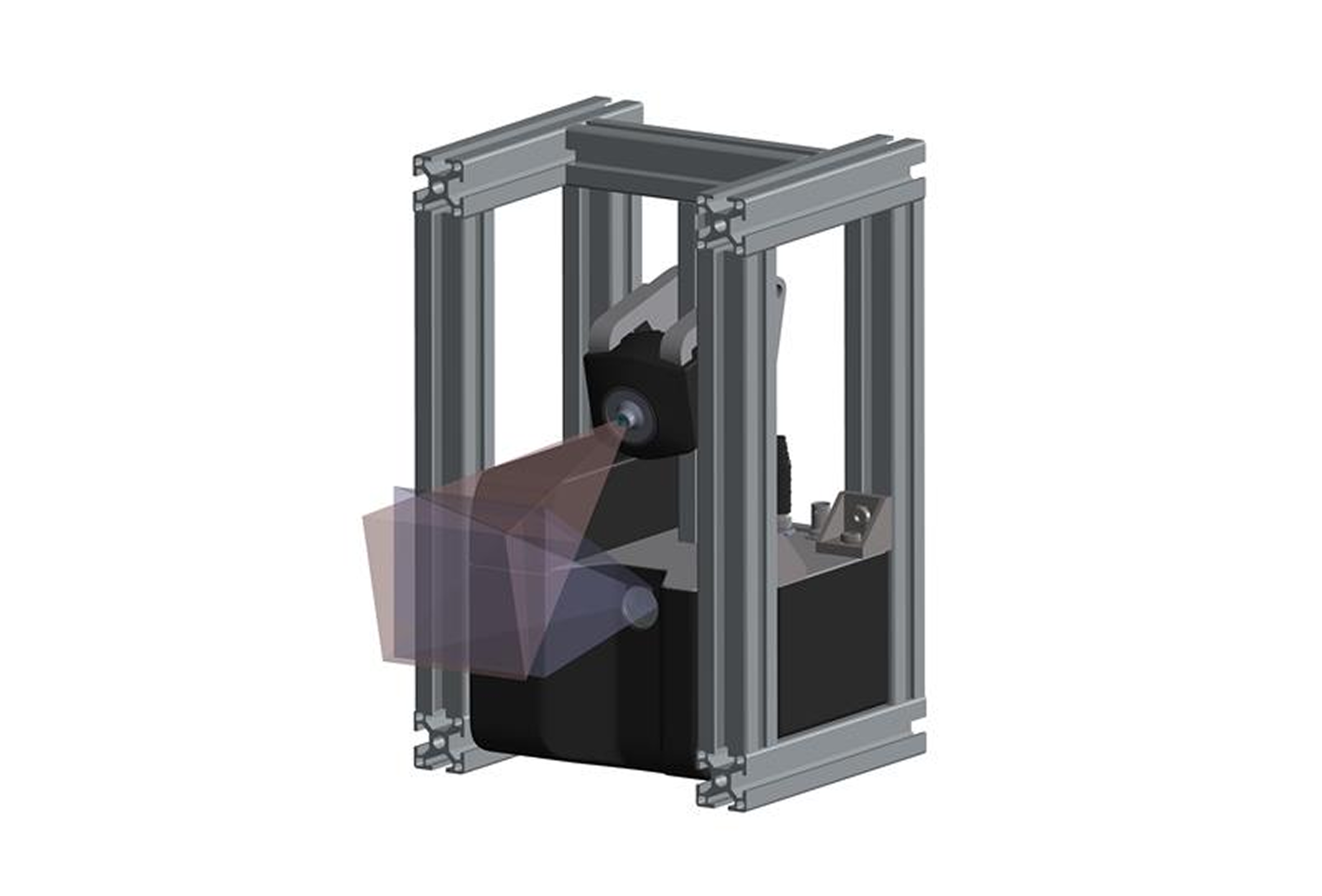

for Biometrics
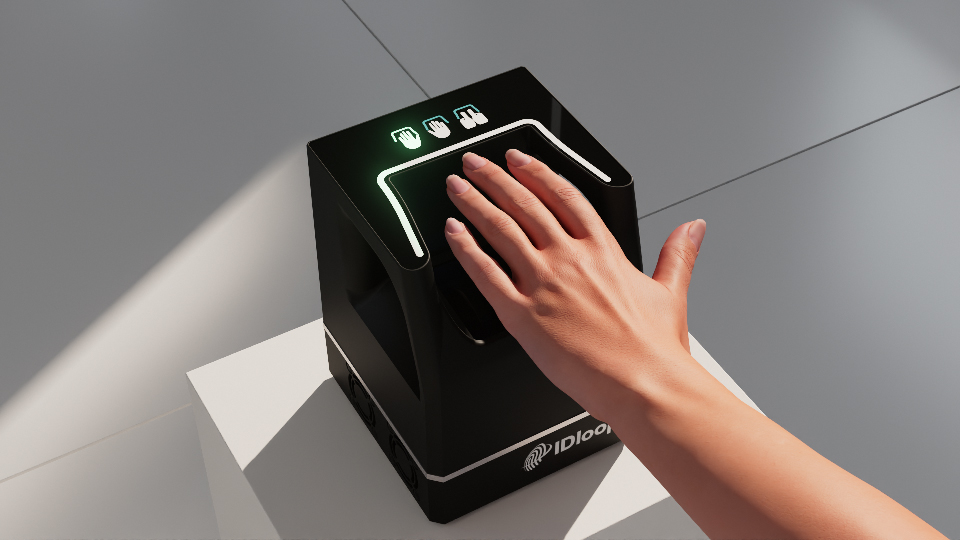

Deployment